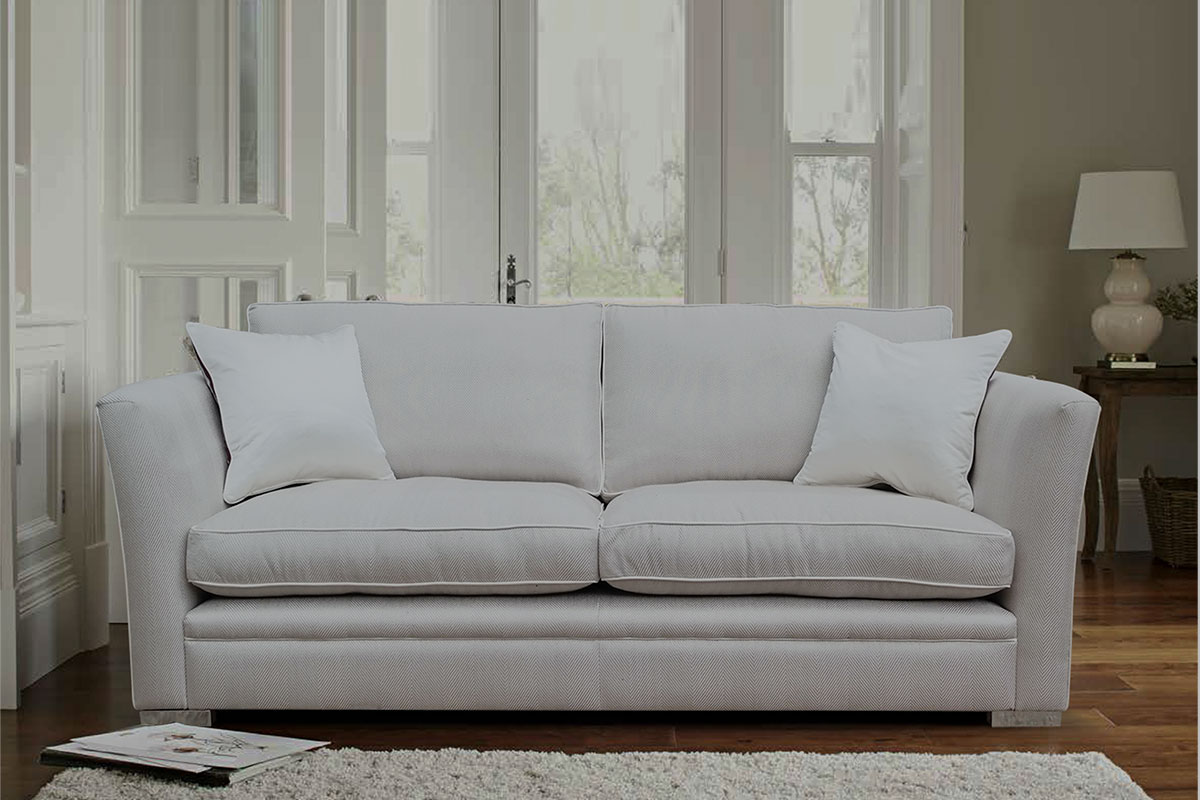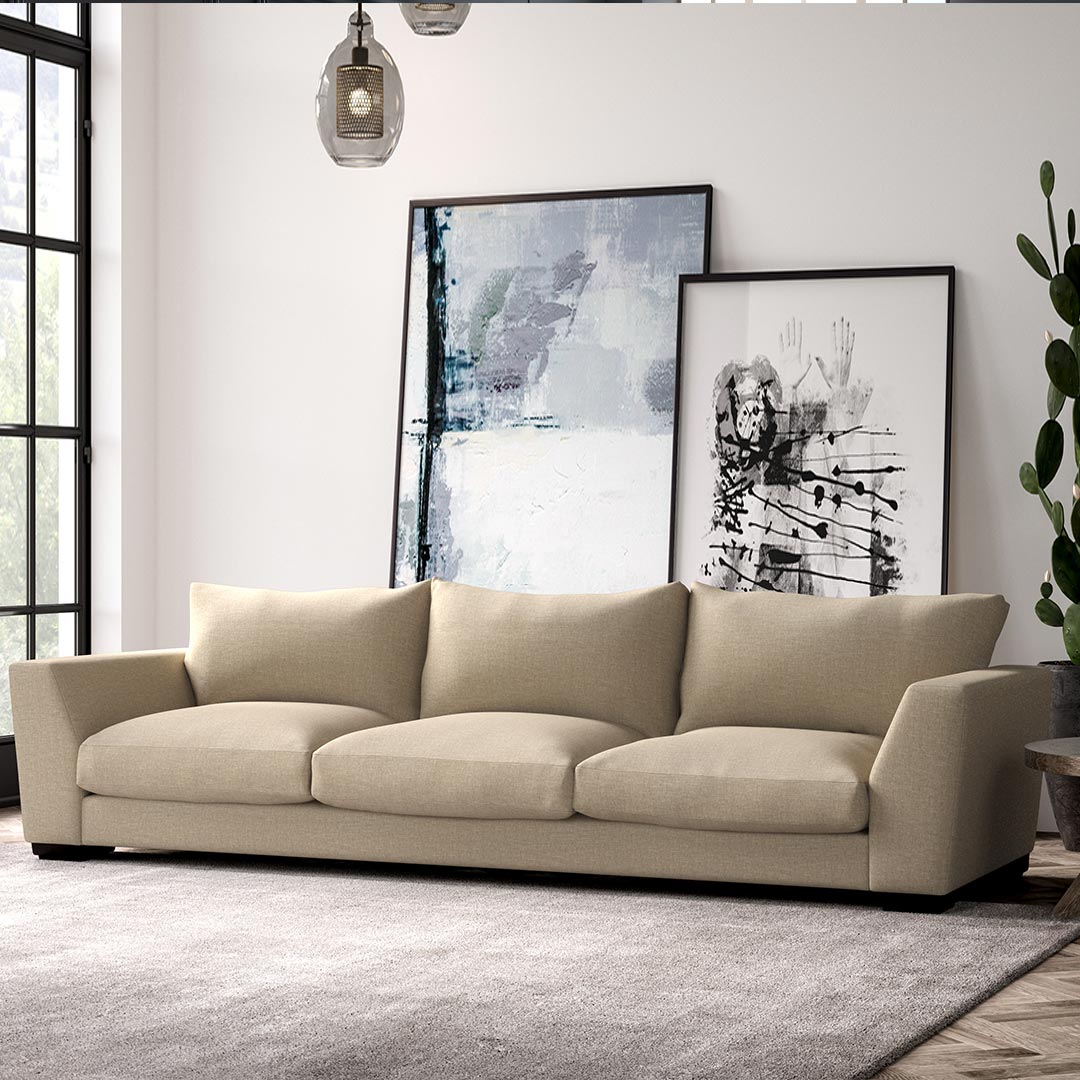
Style
How to Pick the Perfect Sofa for Your Living Room
Aug
A sofa is often the largest piece of furniture in a living room, so choosing one is about more than finding something that looks attractive. It needs to fit the available space, support your everyday routine, work with the rest of your interior, and remain comfortable over time. A well-chosen sofa can make a room feel welcoming and balanced, while the wrong one can make even a spacious room feel cramped.
With so many shapes, sizes, fabrics, colours, and designs available, the decision can quickly become confusing. It is easy to focus on appearance and forget practical details such as seat depth, frame construction, maintenance, and how the sofa will actually be used.
This guide explores the most important things to consider before buying a new sofa. Whether you are furnishing a new home, replacing an old piece, or simply giving your living room a fresh look, these ideas can help you make a more confident choice.
Start With the Space You Have
Before thinking about colour or style, measure your room. This simple step can prevent many expensive mistakes. Measure the length and width of the area where you want the sofa to sit. Also consider the distance between the sofa and other furniture. A sofa should not leave so little walking space that moving around the room becomes awkward.
Do not forget to measure doorways, hallways, staircases, lifts, and other access points. A sofa might fit perfectly in your living room but still be difficult to bring into the property.
It can also help to mark the proposed sofa dimensions on the floor using masking tape or newspaper. This gives you a better idea of how much visual and physical space the piece will occupy.
For smaller rooms, compact sofas with clean proportions can create a more open appearance. Larger rooms can accommodate deeper seating, wider designs, or additional seating without feeling overcrowded.
Think About How You Actually Use Your Sofa
A sofa should match your lifestyle rather than simply looking good in a showroom. If your sofa is mainly used for relaxed evenings, deep and generously cushioned seating may be appealing. If you often sit upright to read, work, or talk with guests, a more supportive seat and suitable back height may be preferable.
Families may need durable upholstery and enough seating for several people. Someone living alone might prioritise a compact design with a distinctive shape.
Think about your everyday habits before making a decision. Ask yourself whether you tend to sit upright, stretch out, share the sofa with others, entertain guests, or spend long periods relaxing there. These small details can make a significant difference to long-term satisfaction.
Choose the Right Sofa Shape
The shape of a sofa influences both comfort and the overall character of a room. A traditional straight sofa is versatile and can work in many layouts. It is particularly useful when you want flexibility because it can be positioned against a wall or used as part of an open seating arrangement.
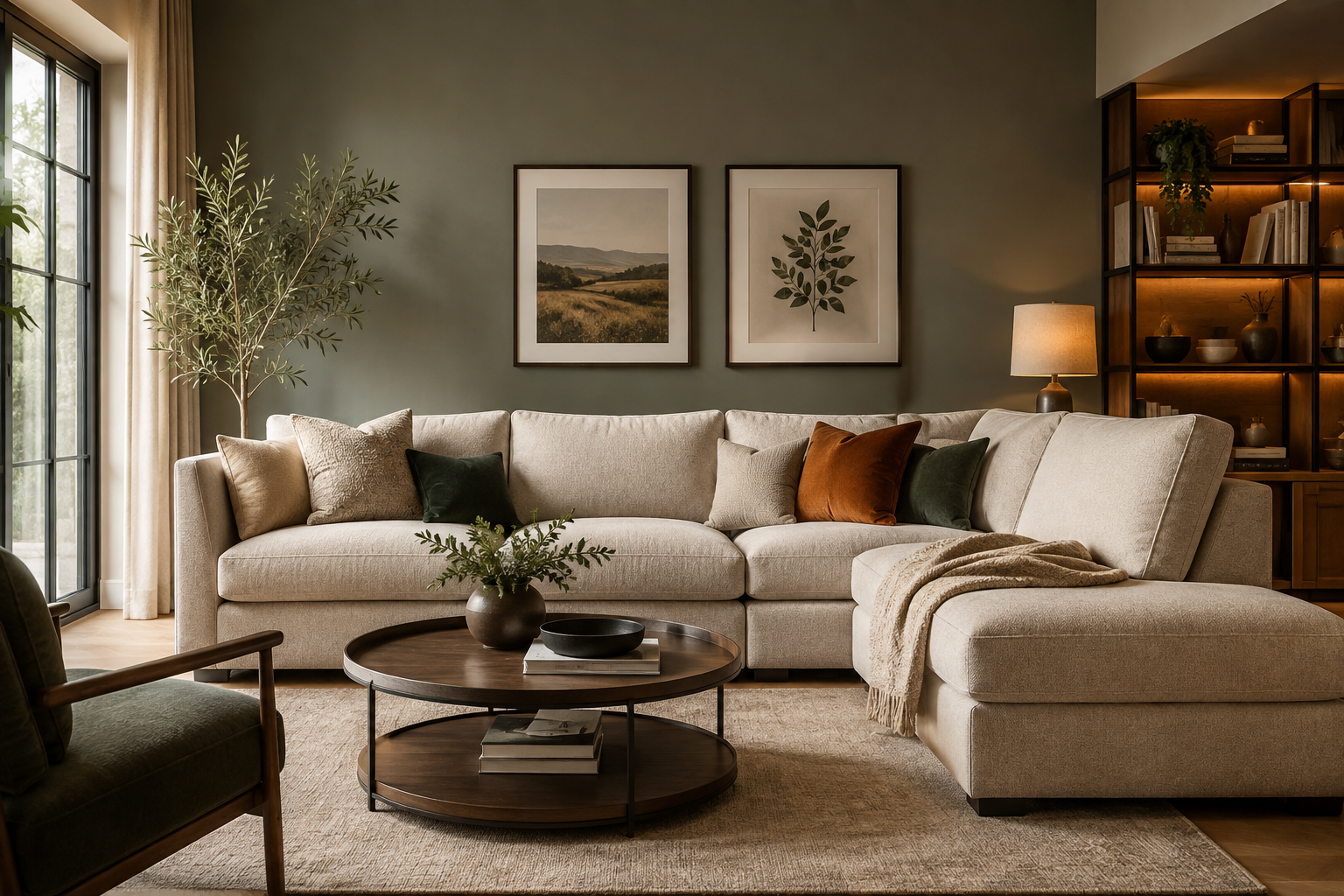
Corner sofas can make excellent use of larger spaces by creating a defined seating area. They are particularly useful when several people regularly use the room. Curved sofas offer a softer visual appearance and can become a strong focal point. They work especially well when the room has enough open space around the furniture to allow the shape to be appreciated.
Reclining designs focus heavily on relaxation and can be practical for people who want adjustable seating. However, they require additional space around and behind the sofa depending on the mechanism. The best shape is ultimately the one that suits both your room and the way you live.
Comfort Should Come Before Appearance
A sofa may look impressive, but if it is uncomfortable, you will probably regret buying it. When testing a sofa, sit in your normal position rather than simply sitting on the edge for a few seconds. Check whether your feet reach the floor comfortably and whether your back feels properly supported.
Pay attention to the seat depth. A deeper seat can feel relaxed and spacious, but it may not suit everyone. Shallower seating can provide a more upright sitting position. The firmness of the cushions also matters. Some people prefer a softer, sink-in feeling, while others prefer firmer support.
Do not judge comfort purely by pressing the cushion with your hand. Actually sit down, change positions, and spend enough time testing it to understand how it feels.
Pay Attention to Sofa Construction
The internal construction of a sofa is just as important as its exterior. A strong frame provides the foundation of the furniture. The quality of the frame, joints, suspension, and supporting materials can affect how well the sofa performs over years of regular use.
Cushion construction also matters. Different filling materials create different levels of firmness, support, and maintenance requirements. A sofa that feels comfortable in the showroom may change slightly with regular use as the cushions settle. Understanding the construction can help you set realistic expectations about maintenance and longevity.
If you are making a significant investment, ask questions about how the sofa is constructed rather than concentrating only on its fabric and appearance.
Consider Upholstery Carefully
Upholstery has a major influence on the look and practicality of a sofa. Fabric can create a warm and comfortable appearance and is available in a wide range of textures and colours. Leather-style finishes and other materials can offer a different visual character and may be easier to wipe clean depending on the specific material.
Think about how much maintenance you are willing to do. A pale, delicate-looking fabric may require more care than a darker or more practical upholstery choice. If you have children, pets, or regularly host guests, durability and ease of cleaning may be more important than choosing the most delicate finish.
It is also useful to consider how the upholstery will look under different lighting conditions. A colour can appear different in natural daylight compared with artificial evening lighting.
Luxury Sofas Can Be Both Stylish and Practical
The idea of Luxury Sofas often brings to mind elaborate designs, expensive materials, and furniture intended purely to make a visual statement. In reality, luxury can be much broader than appearance.
A well-made sofa can combine attractive design with thoughtful proportions, quality materials, careful construction, and lasting comfort. These features can make a sofa feel special without requiring an overly dramatic style.
Luxury is also about how the furniture works within your home. A sophisticated sofa that is uncomfortable or difficult to maintain may not be the right choice for everyday living.
When exploring premium furniture, look beyond the surface. Consider the quality of the upholstery, the structure beneath it, the finish of the details, and whether the design will continue to suit your home several years from now.
For homeowners looking for carefully selected furniture, Evans of High Wycombe offers sofa options that can help bring comfort and character into a living space.
Select a Colour That Works With Your Interior
Colour is one of the first things people notice about a sofa, but it should not be selected in isolation. Look at the colours already present in the room. Walls, flooring, curtains, rugs, cushions, artwork, and other furniture can all influence how the sofa will look.
Neutral shades can provide flexibility because they work with many decorative styles. Stronger colours can create a focal point and add personality to a relatively simple room.
If you are uncertain, consider the atmosphere you want to create. Softer neutral tones can create a calm appearance, while deeper shades can make the room feel richer and more dramatic. Remember that replacing a sofa is usually more expensive and inconvenient than changing accessories. Choosing a versatile sofa colour can therefore give you more freedom to update the room later.
Match the Sofa With the Rest of the Furniture
Your sofa does not have to match every other item in the room. In fact, using exactly the same style throughout can sometimes make an interior feel too uniform. Instead, aim for visual connection.
You might coordinate the sofa with a particular colour found in a rug or cushions. Alternatively, you could repeat a material, shape, or design detail elsewhere in the room.
The important thing is balance. Different pieces can have their own personalities while still feeling as though they belong together. Consider the height of nearby furniture too. A very low sofa next to tall cabinets can create an unbalanced appearance, while furniture with similar visual proportions can make the room feel more cohesive.
Think About Maintenance Before Buying
Every sofa requires some level of care, but the amount can vary considerably. Check the manufacturer’s care instructions before buying. Understand whether the upholstery can be cleaned easily and whether removable covers are available.
Regular vacuuming can help remove dust and debris before they become embedded in the fabric. Cushions may also benefit from being rotated or repositioned where the manufacturer’s instructions allow it. Spills should generally be dealt with quickly using the recommended cleaning method.
Avoid experimenting with harsh cleaning products because they may damage the upholstery. A little routine care can help preserve the sofa’s appearance and keep it feeling fresh for longer.
Avoid Choosing a Sofa Solely Because It Is Trending
Interior trends can be useful for inspiration, but a sofa is a long-term purchase. A design that is extremely fashionable today may feel dated after a few years. That does not mean you should avoid contemporary furniture. Instead, consider whether you genuinely like the design rather than buying it simply because it is currently popular.
Timeless proportions, good construction, comfortable seating, and quality upholstery tend to remain valuable regardless of changing trends.
You can always introduce current styles through smaller accessories such as cushions, throws, artwork, and decorative objects. These are much easier to replace when your preferences change.
Consider the Height and Depth of the Room
Furniture proportions can dramatically influence how a room feels. A low-profile sofa can make a room appear more spacious because it leaves more visible wall area above the furniture. Taller-backed sofas can provide a stronger sense of enclosure and may offer additional support.
Seat depth also changes the visual weight of the sofa. Deep seating tends to appear larger, even when its overall width is similar to another design.
This is particularly important in smaller living rooms. A sofa that technically fits may still dominate the room if its arms, back, and cushions are visually bulky. Think about the complete silhouette rather than measuring only the width.
Plan the Entire Seating Arrangement
A sofa should work as part of a larger seating arrangement. Before buying, think about where other chairs, tables, lamps, and storage pieces will go. Make sure people can move comfortably between different areas of the room.
A coffee table should be accessible without forcing people to stretch too far forward. Side tables can provide convenient surfaces without occupying excessive floor space.
If you regularly entertain, consider whether guests can sit comfortably without everyone being directed toward the television. A good layout should support conversation as well as relaxation.
Quality Is Often More Important Than Size
It can be tempting to choose the biggest sofa that fits your room. However, size alone does not determine value. A well-proportioned sofa with quality construction can be more satisfying than an oversized piece that leaves little space for anything else.
Think about how frequently the sofa will be used. A piece that receives daily use deserves careful consideration because small differences in comfort and construction can become much more noticeable over time.
Instead of asking only, “How large is this sofa?”, consider how well it is made, how comfortable it feels, and whether it suits your home.
Take Your Time Before Making the Final Decision
Buying a sofa should not feel like a rushed decision. If possible, test different designs and compare their seating positions. Look at upholstery samples and consider how colours will work with your existing room.
Take measurements with you and keep them accessible while shopping. If you are buying for a particular space, photographs of the room can also help you visualise how different designs might work.
Most importantly, think beyond the first impression. A sofa needs to remain comfortable and useful long after the excitement of bringing new furniture home has disappeared.
A Sofa Should Feel Like Part of Your Home
The right sofa does more than fill an empty section of a living room. It becomes part of everyday life. It is where you relax after a long day, spend time with family, welcome guests, read, watch television, and enjoy quiet moments.
That is why appearance should be considered alongside comfort, construction, proportions, upholstery, maintenance, and room layout.
There is no single sofa that is perfect for every home. The best choice depends on your available space, personal taste, daily routine, and expectations about quality.
Taking the time to assess these factors can make the buying process much easier. Whether you prefer a simple contemporary silhouette, a generous corner design, or a more refined statement piece, choosing carefully will help ensure your sofa feels right not just on the day you buy it, but for years afterwards.
Evans of High Wycombe can be considered when exploring furniture options for creating a comfortable and characterful living space. A thoughtful choice, supported by the right measurements and a clear understanding of your needs, can turn an ordinary living room into a place that genuinely feels like home.