Style
How Sculptural Furniture Can Give a Room More Personality
Aug
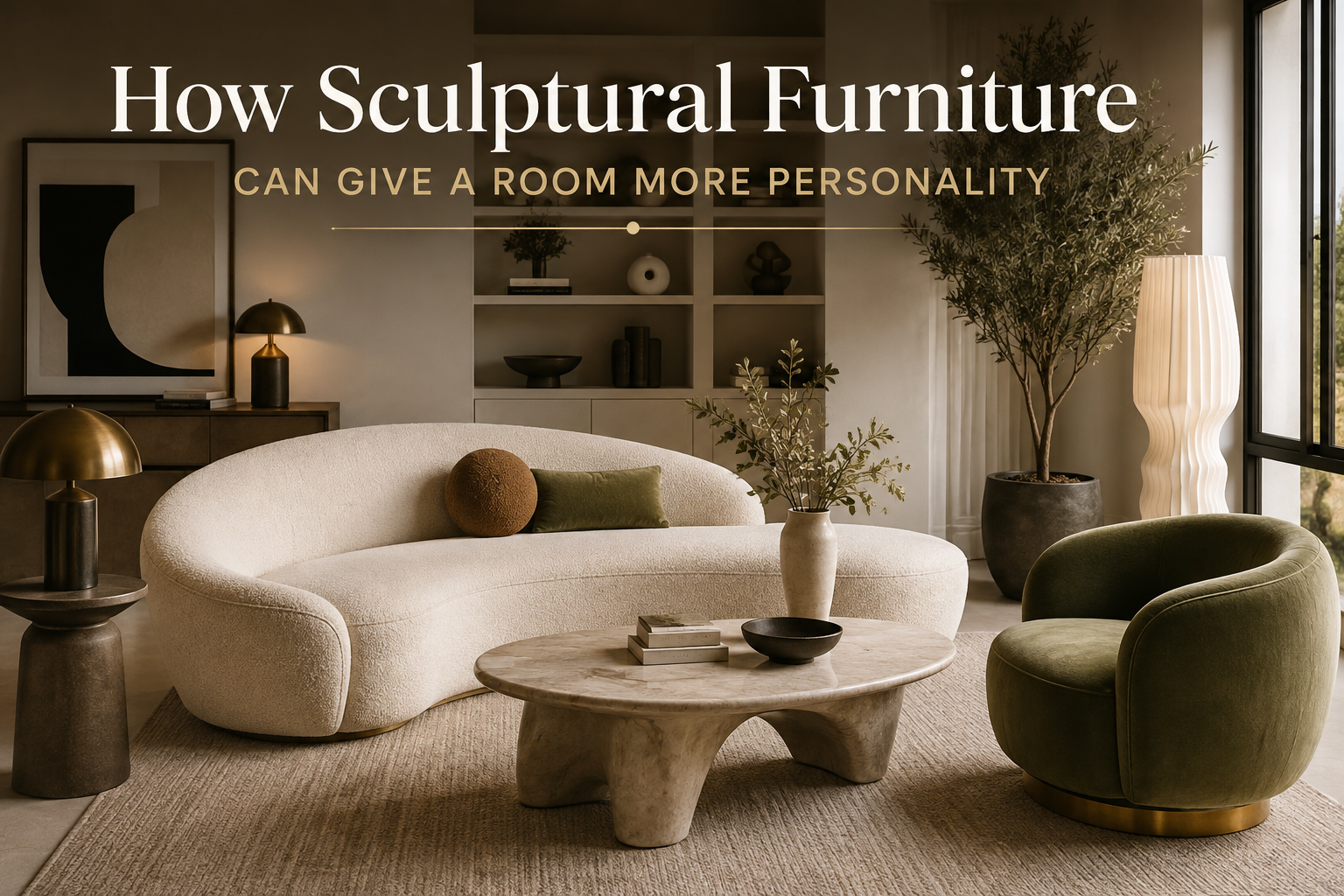
A room can have beautiful walls, carefully chosen colours and quality finishes, yet still feel like something is missing. Often, the problem is not the lack of decoration but the absence of furniture with enough character to give the space a clear identity. Sculptural furniture can solve that problem by bringing shape, movement and visual interest into the room without making it feel overly decorated.
Unlike purely practical pieces that simply fill an empty area, sculptural furniture becomes part of the room’s overall expression. Curved backs, unusual silhouettes, generous proportions and carefully considered details can make a space feel more personal. A well-designed sofa, chair or table can even become the first thing people notice when they walk through the door.
For homeowners looking to create a memorable living space, Designer Sofas can offer a particularly effective starting point. A sofa usually occupies more visual space than most other pieces of furniture, so its shape has a major effect on how the entire room feels. The right design can introduce elegance, softness or drama while still providing the comfort needed for everyday living.
What Is Sculptural Furniture?
Sculptural furniture is defined less by a specific style and more by the way a piece interacts with space. Its form has a strong presence, almost like a piece of art, but it is still designed for practical use. Instead of hiding in the background, sculptural furniture contributes to the personality of the room.
Think about a chair with an exaggerated curved back, a sofa with rounded arms or a coffee table with an unusual base. These shapes create visual movement and can make even a simple room feel carefully designed. The furniture becomes part of the architecture rather than something added afterwards.
This does not mean every sculptural piece needs to be dramatic or unusual. Sometimes, a subtle curve or distinctive proportion is enough to make a noticeable difference. The best examples tend to balance individuality with usability, creating something that catches the eye without becoming difficult to live with.
Why Shape Has Such a Strong Impact
Our eyes naturally respond to shape, proportion and movement. Straight lines can create a clean and structured feeling, while curves often make interiors feel softer and more relaxed. Angular forms can introduce a sense of confidence and modernity, while rounded silhouettes can create warmth.
Furniture has a particularly strong influence because it sits within our immediate field of view. A large sofa can establish the visual direction of a sitting room before any cushions, artwork or accessories are introduced. Its height, depth, arms and back can change the way the surrounding walls and floor are perceived.
This is why choosing furniture based solely on size and colour can sometimes leave a room feeling flat. Two sofas may occupy exactly the same amount of space but create completely different moods because their shapes communicate something different.
Curves Can Make a Room Feel More Inviting
Curved furniture has become popular because it offers a softer alternative to the rigid lines found in many interiors. Rounded forms can make a room feel more welcoming, particularly when the surrounding architecture includes hard surfaces such as timber flooring, stone, glass or metal.
A curved sofa can also improve the visual flow of a room. Instead of creating a strong horizontal line, its silhouette gently guides the eye around the space. This can be particularly useful in open-plan interiors where furniture needs to feel connected rather than arranged like separate blocks.
The key is to avoid using curves randomly. A curved sofa usually works best when there are smaller references to rounded forms elsewhere, such as an oval coffee table, circular lighting or softly shaped accessories. These details create a sense of connection without making everything look identical.
Bold Proportions Create a Strong Focal Point
Sculptural furniture does not always rely on complicated shapes. Size and proportion can be just as powerful.
A deep sofa with broad arms may give a room a relaxed and luxurious feeling. A tall accent chair can create vertical interest in a space with low furniture. A chunky coffee table can anchor an otherwise light arrangement. These choices can make the room feel intentional because every major piece has a defined visual role.
However, bold proportions need careful planning. A large piece should have enough breathing room around it so the room does not feel crowded. Measuring the available floor area, doorways and access points before choosing furniture can help avoid costly mistakes later.
This is one reason bespoke furniture can be particularly useful. Evans of High Wycombe creates handmade sofas in its High Wycombe workshop and offers options to tailor dimensions such as width, depth and height. This approach can help homeowners achieve a distinctive shape while making sure the furniture works properly within the room.
Material Adds Another Layer of Personality
Shape is only one part of the equation. Materials and upholstery can change the character of sculptural furniture just as dramatically.
Soft fabrics can make rounded furniture feel warm and comfortable, while more structured upholstery may emphasise a cleaner silhouette. Texture also matters. A heavily textured fabric can give a simple shape greater depth, while a smooth finish may allow an unusual silhouette to remain the main focus.
Colour can then reinforce that effect. A bold shade can turn an already distinctive chair or sofa into a statement piece, while a muted neutral can allow the form itself to do the talking.
For those who prefer a more personalised approach, Evans of High Wycombe offers a wide selection of fabric choices for its bespoke furniture, with thousands of upholstery options available through its workshop service.
Personality Does Not Mean Overcrowding
One of the biggest mistakes people make when trying to create personality is adding too many statement pieces.
A room can quickly become visually noisy when every item is trying to attract attention. Sculptural furniture works best when it has enough space to breathe. Instead of filling the room with dramatic pieces, choose one or two elements that carry most of the visual weight.
For example, a sculptural sofa might become the main feature while the coffee table, side tables and lighting remain relatively simple. This creates contrast and gives the eye somewhere to rest.
The goal is not to make every object memorable. The goal is to create a room where the memorable pieces have enough presence to be appreciated.
Balance Statement Furniture With Simpler Pieces
Contrast is an important part of good interior design. A highly sculptural sofa can look even more impressive when paired with simpler furniture.
Imagine a room with a strongly curved sofa, a straightforward rug and a clean-lined coffee table. The sofa immediately becomes the focal point. Now imagine the same sofa surrounded by several heavily shaped chairs, ornate tables and dramatic accessories. Its impact becomes weaker because there is too much competition.
This balance also makes a room easier to live with. Statement furniture should add interest without making everyday activities feel complicated.
The same principle can be applied to colour. A strong upholstery colour may work beautifully when the surrounding palette is restrained. A neutral sculptural sofa, meanwhile, can provide shape and personality while allowing artwork, cushions or curtains to add stronger colour.
Let the Furniture Reflect Your Lifestyle
Personality in interior design should not simply mean following trends. A room feels more authentic when the furniture reflects how the people living there actually use the space.
A household that enjoys long evenings together might benefit from a large, generous sofa designed for conversation and relaxation. Someone who prefers a quieter reading corner may choose a distinctive armchair with a supportive shape. A social home might need flexible seating that allows people to move around easily.
This is where comfort becomes just as important as appearance. A sculptural sofa may look impressive, but it still needs to support real daily use.
Evans of High Wycombe highlights this balance within its bespoke sofa offering, with choices involving seat depth, seat height and different cushion fillings. That flexibility allows the final piece to be shaped around personal comfort as well as visual preference.
Use Lighting to Emphasise Interesting Shapes
Lighting can make sculptural furniture look completely different throughout the day.
Natural light highlights curves, edges and upholstery textures, while evening lighting can create shadows that emphasise the furniture’s shape. A floor lamp positioned beside a curved chair can make its silhouette stand out, while pendant lighting above a table can draw attention to its unusual form.
This is especially useful in rooms where the furniture has a strong three-dimensional quality. Good lighting does not simply brighten the piece. It helps reveal why its shape matters.
Try using a combination of general lighting and softer accent lighting rather than relying on one central light source. This creates more depth and allows key furniture pieces to become part of the room’s atmosphere after dark.
Think About the Room From Every Angle
A sculptural piece should look interesting from more than one direction.
This is particularly important with furniture placed in open-plan rooms. A sofa may be viewed from the front, side and behind, so every surface becomes part of the design.
Consider how the back of the sofa looks when seen from a dining area. Think about how an armchair appears beside a doorway. Look at the furniture from different standing positions before making a final decision.
Bespoke designs can be particularly valuable in these situations because proportions and finishing details can be considered more carefully around the room itself. Evans of High Wycombe states that many of its bespoke designs can be adapted into different formats, including sofas, corner sofas and chairs, giving homeowners greater flexibility when planning a space.
Create Connection With Repeated Details
A room feels more intentional when different elements quietly relate to each other.
This does not mean matching everything. Instead, repeat a shape, material, texture or colour in small ways.
A sofa with rounded arms could be echoed by a circular mirror. A rich upholstery tone might appear again in a cushion or piece of artwork. Wooden furniture can connect with timber flooring or natural decorative details.
These repeated references help the sculptural furniture feel integrated rather than randomly placed.
The result can be subtle but powerful. Visitors may not consciously notice every connection, yet the room feels more cohesive because the visual language is consistent.
Sculptural Furniture Works in More Than Living Rooms
Although sofas and chairs are common choices, sculptural furniture can bring personality into almost any part of the home.
In a dining room, a distinctive table can create a strong centrepiece. In a hallway, an unusual console can make a first impression without taking up much floor space. A statement mirror or curved occasional table can add interest to an otherwise simple corner.
Even smaller furniture pieces can have a surprisingly large effect. A sculptural stool, side table or accent chair may only occupy a small footprint, but its shape can break up a room filled with predictable rectangular forms.
This is useful for smaller homes where there may not be enough space for several large statement pieces.
Consider Longevity Before Following a Trend
One reason sculptural furniture can be a worthwhile investment is that a strong form does not have to depend on a short-lived trend.
Trends change quickly, but good proportions and thoughtful craftsmanship can remain appealing for years. Rather than choosing a piece simply because it is currently popular, consider whether you still like its shape when viewed outside the context of current interiors.
Ask yourself whether the furniture has qualities that will work with different colour schemes, accessories and layouts.
A well-made sofa can also evolve with the home. Changing cushions, rugs, curtains or wall colours may completely refresh the room while the central furniture remains the same.
That makes the furniture a long-term part of the home’s identity rather than a temporary styling decision.
A Bespoke Approach Can Make the Difference
When a room has unusual dimensions, standard furniture does not always achieve the intended result. Something may be technically the right size yet still feel awkward because the proportions do not suit the space.
Bespoke furniture offers another route. Dimensions, upholstery and finishing details can be considered around the room rather than forcing the room to adapt around a fixed product.
Evans of High Wycombe has been making sofas and chairs through its own High Wycombe workshop since 1958 and offers more than 40 bespoke sofa and chair styles that can be tailored to individual requirements. The company also promotes options such as different cushion fillings, piping, buttoning, studding and sofa feet, allowing the finished piece to take on a more personal character.
For homeowners who want a statement sofa to feel genuinely personal, this level of choice can be useful.
How to Choose the Right Sculptural Piece
Before buying, start by looking at the room as a whole rather than focusing on one product.
Measure the space carefully and consider how people move through it. Check the width of doors, hallways and other access points. Then look at the existing furniture and decide whether the room needs softer curves, stronger angles, greater height or a more substantial focal point.
Think about comfort too. A visually striking piece will quickly lose its appeal if it is uncomfortable or difficult to use.
Finally, decide whether you want the furniture to stand out through colour, form, material or a combination of these qualities. Usually, one dominant characteristic is enough. A bold shape does not necessarily need a loud colour, and a bright colour does not require an extravagant form.
Let One Great Piece Set the Mood
Personality does not always come from having more furniture. Sometimes it comes from choosing one exceptional piece that gives the rest of the room direction.
A sculptural sofa can establish a softer, more welcoming atmosphere. A striking armchair can create a quiet reading corner. A distinctive table can turn an ordinary dining space into somewhere that feels considered and memorable.
Once that focal point is established, the rest of the room can support it rather than compete with it. This makes decorating easier because there is a clear starting point for choosing colours, textures, lighting and accessories.
For homeowners exploring this approach, a visit to Evans of High Wycombe can provide a chance to see a broad selection of sofas, chairs and living room furniture in person. Its showroom in High Wycombe includes bespoke furniture alongside a wider selection of living and dining pieces.
Conclusion
Sculptural furniture can give a room something that decoration alone often cannot: a sense of identity. Its curves, proportions, textures and details can change the mood of an interior and make the space feel much more connected to the people who live there.
The most successful approach is not necessarily about choosing the biggest or boldest piece. It is about finding furniture with enough character to create a focal point while still fitting comfortably into everyday life. Balance, proportion, material, lighting and comfort all play a role.
A distinctive sofa can be a particularly effective foundation because it often becomes the visual and practical centre of a living room. With bespoke options available through Evans of High Wycombe, homeowners can also explore furniture that is tailored to their space, comfort preferences and personal taste.
When the right piece is chosen thoughtfully, furniture stops being something that simply fills a room. It becomes part of the room’s personality, creating an interior that feels more individual, inviting and genuinely yours.