Style
Why Small Furniture Pieces Can Have a Big Visual Impact
Aug
When people think about changing the look of a living room, their attention often goes towards large furniture first. Sofas, coffee tables, cabinets and shelving usually become the main focus because they occupy more space. However, smaller furniture pieces can have just as much influence on how a room looks and feels. Their size may be modest, but their position, shape, finish and practical purpose can make a noticeable difference.
Small furniture can also help a room feel more complete without making it crowded. A carefully chosen table beside a sofa, a compact piece near an armchair or a useful surface placed in an empty corner can introduce balance and purpose. These details may seem minor when considered individually, yet they can change how the whole room comes together.
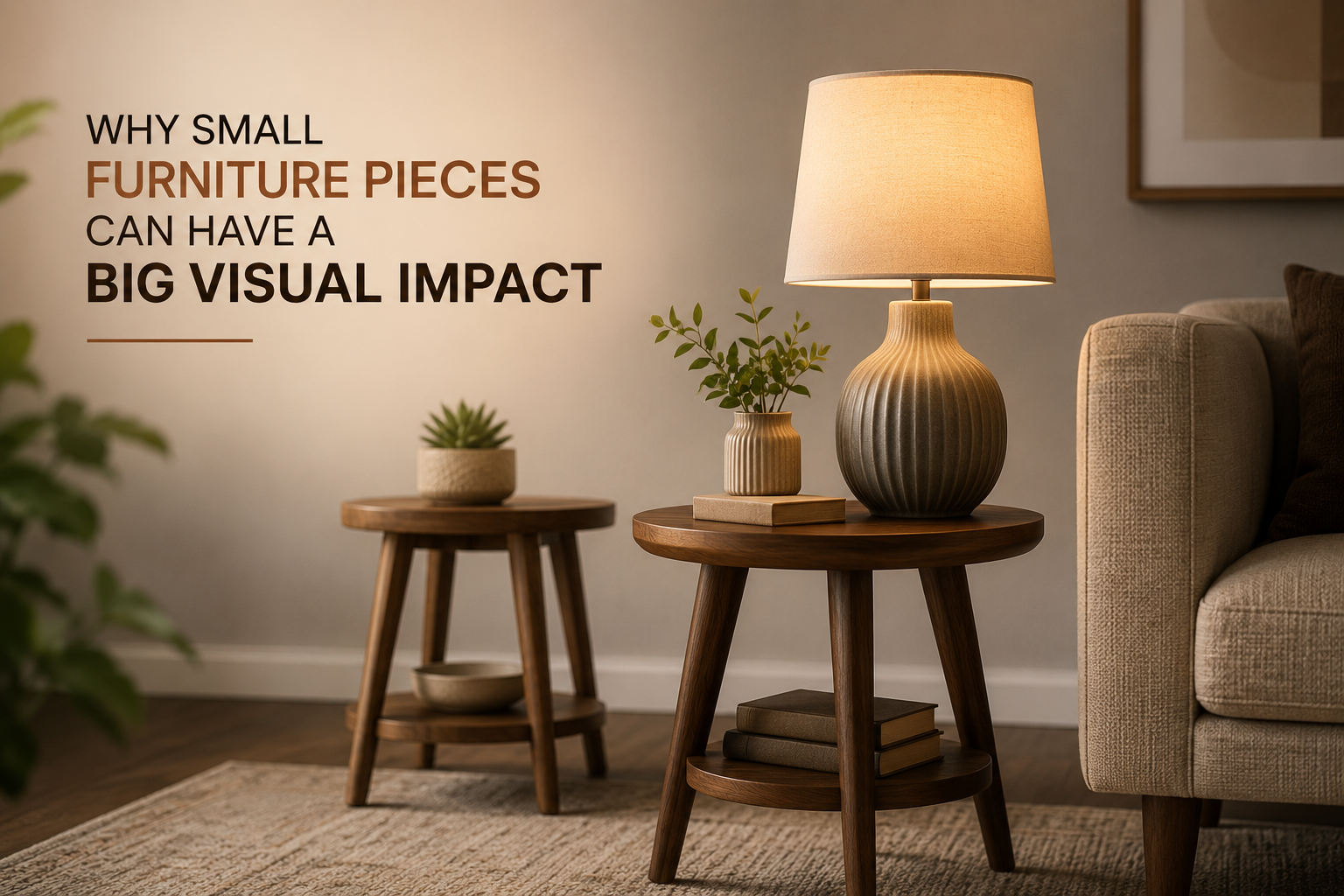
One example is Lamp Tables, which can provide a practical surface while also adding shape, texture and visual interest beside seating. They can support lighting, books, decorative pieces or everyday essentials while helping fill spaces that might otherwise look incomplete. Evans of High Wycombe currently features a dedicated collection of lamp tables within its living room furniture range, giving homeowners several styles and finishes to consider.
Small Pieces Help Complete the Overall Layout
A well-designed room is rarely made up only of large statement furniture. Smaller pieces help connect those larger elements and make the layout feel more intentional. Without them, a sofa may look isolated, an armchair may seem disconnected or an empty corner may feel as though something is missing.
Consider a living room with a sofa, rug and coffee table. The main arrangement may already be functional, but the space can still feel slightly unfinished. Adding a small table beside the sofa creates another visual point and gives the seating area a stronger sense of structure.
This is especially useful in rooms with awkward gaps. Instead of trying to fill every empty area with larger furniture, smaller pieces can provide just enough presence to make the space feel balanced. They do not need to dominate the room. Their purpose is often to support the main design.
They Add Balance Without Creating Clutter
One of the biggest advantages of smaller furniture is the amount of control it gives you over a room. Large pieces are difficult to move and can quickly make a space feel heavy. Smaller furniture is easier to position, replace and rearrange when the layout changes.
This flexibility makes a difference in both large and compact rooms. In a smaller lounge, a narrow side table can provide useful surface space without blocking movement. In a larger room, several smaller pieces can help distribute visual weight more evenly.
The key is not simply adding more furniture. Good interior design depends on choosing pieces that serve a purpose while leaving enough breathing room around them. A smaller item with the right proportions can often achieve more than a bulky piece that overwhelms its surroundings.
Shape Can Change the Character of a Room
Furniture does more than occupy floor space. Its shape affects the visual rhythm of an interior. Straight lines can create a structured and modern appearance, while rounded edges can make a room feel softer and more relaxed.
Small tables are particularly useful because their silhouettes remain easy to notice. A rounded top beside a chair can introduce contrast when the rest of the furniture uses strong rectangular shapes. Similarly, a sculptural base can add interest without requiring a large footprint.
This is one reason smaller furniture can become a subtle design feature. You do not necessarily need an unusual statement piece. A well-proportioned table with an interesting shape can introduce enough detail to make the surrounding furniture feel more considered.
Material and Texture Make a Difference
The material of a small furniture piece can have a strong influence on the atmosphere of a room. Wood can introduce warmth and natural texture, while glass can create a lighter visual effect. Metal details may bring a cleaner, more contemporary character, while textured finishes can make a neutral interior feel richer.
Even when the rest of the room uses a simple colour palette, a small piece with visible grain, a distinctive finish or contrasting texture can stop the space from looking flat.
Natural materials can be especially effective because they introduce variation without relying on bold colours. Evans of High Wycombe, for example, lists lamp tables made in different styles, including solid oak options. One current Albion Lamp Table is described as having natural grain and tonal variation, giving the piece visual depth while maintaining a relatively compact size.
The Right Table Can Improve Everyday Convenience
Visual impact is important, but practical value should never be overlooked. A piece of furniture feels more successful when it looks good and solves a genuine everyday problem.
A small table beside seating can provide a convenient place for a reading lamp, a cup, a book, a phone or other frequently used items. This prevents surfaces such as the coffee table from becoming overloaded.
That practical benefit can also improve the appearance of a room. When everyday belongings have a logical place, the space naturally looks tidier. In this way, a small furniture piece can influence the room indirectly by helping reduce visual mess.
The best furniture choices often work in the background. They may not be the first things noticed when someone enters the room, but their absence becomes obvious when they are needed.
Small Pieces Can Create Focal Points
Not every focal point needs to be dramatic. A simple arrangement can become visually engaging when a small piece is styled carefully.
For example, a compact table beside an armchair can become a cosy reading corner. Add a table lamp, one or two books and a small decorative item, and a previously unused area can gain a clear purpose.
The same idea works in larger seating arrangements. A small table can help divide sections of a room without creating physical barriers. It can signal where one activity ends and another begins, helping the layout feel more organised.
This approach is particularly useful in open-plan interiors. Smaller furniture can act as visual connectors, allowing different areas to feel related while still maintaining their own identity.
Proportion Matters More Than Size
A common mistake is choosing furniture based only on available floor space. A piece can technically fit within a room and still look wrong because its proportions do not relate well to the surrounding furniture.
Height is especially important. A table positioned beside a sofa or chair should generally feel comfortable to use rather than appearing noticeably too high or too low. Width matters as well. A very small table may disappear beside a large sofa, while an oversized table can make the seating area feel cramped.
Before buying anything, measure the surrounding furniture and think about visual relationships. The goal is not necessarily to match every measurement perfectly. Instead, the pieces should look as though they belong together.
Colour Can Strengthen or Soften a Design
Colour is another simple way small furniture can influence a room. A neutral table can blend into an existing scheme, creating a calm and consistent appearance. A contrasting finish can work differently by drawing attention to a particular part of the room.
This does not mean every small furniture piece needs to make a bold statement. Subtle contrast can be just as effective. A warm wooden finish in a neutral room can add depth without overpowering the décor.
When selecting colour, consider the shades already present in the room. Look at the flooring, sofa, curtains, walls and decorative accessories. A small piece does not need to match everything exactly, but it should feel connected to the wider palette.
They Make Empty Corners More Useful
Empty corners can sometimes be difficult to decorate. A large piece may take up too much space, while leaving the corner completely bare can make the room feel unfinished.
Smaller furniture can provide a useful middle ground. A compact table, chair or storage piece can add function without disturbing the main layout.
This is where smaller dimensions become a real advantage. You can give a neglected corner a purpose without turning it into a crowded area. A lamp table beside a chair, for instance, can create a simple spot for reading, relaxing or enjoying a drink.
The result is not just better decoration. It is a room where more of the available space has a clear role.
They Work Well With Layered Styling
Interior design often looks more natural when different heights, textures and shapes are layered together. Small furniture makes this easier.
A low coffee table creates one visual level, seating creates another and a smaller table can introduce a third. A lamp or decorative object placed on top adds further height. These layers can make a room feel more interesting without adding unnecessary furniture.
The same principle can be used with materials. Pairing wood with fabric, metal with glass or smooth finishes with natural textures can create subtle contrast.
The important thing is to avoid making every surface equally busy. A few carefully selected details often look more refined than a collection of unrelated accessories.
Smaller Furniture Is Easier to Adapt
One of the strongest practical benefits of small furniture is flexibility. Homes change over time. Furniture gets moved, rooms are redesigned and needs develop.
A large cabinet may only suit one particular position, while a compact table can work in several locations. It may sit beside a sofa today and support a chair in another room later.
This adaptability makes smaller furniture a useful long-term choice. It also gives homeowners more freedom to experiment with layouts without making major changes.
A room does not have to remain fixed. Moving a small table a few feet can alter the balance of a seating area and create a completely different feel.
How to Choose the Right Piece for Your Room
Start by identifying what the room is missing. Do you need another surface beside a chair? Is there an empty corner that could become useful? Does the current arrangement feel visually heavy on one side?
Once you know the purpose, consider size and proportions. Measure the available area and check how much clearance people need to walk comfortably around the furniture.
Then think about style. Look at the existing furniture and decide whether you want the new piece to blend in or provide gentle contrast. The finish should complement the wider room rather than appearing disconnected.
Finally, consider how the furniture will be used every day. A beautiful piece that is awkward to reach or too small for its intended purpose will quickly become frustrating.
Think About Function Before Decoration
It can be tempting to buy furniture simply because it looks attractive. However, the strongest interiors usually combine appearance with practical thinking.
Ask yourself what will sit on the table, who will use it and where it will be positioned. These simple questions can help narrow down choices.
For example, a table intended for a reading corner may need enough room for a lamp and a book. A table beside a sofa may work better with a surface that can hold everyday items without feeling crowded.
When function guides the decision, decoration becomes easier. You can then select a design, material and finish that support the intended use.
Why Quality Matters With Smaller Pieces
Because smaller furniture often sits close to seating, its construction and finish are easy to notice. A poorly made item may look out of place even when its dimensions are correct.
Good craftsmanship can be seen through details such as the finish, joins, proportions and stability. These qualities can make a compact piece feel substantial rather than temporary.
Durability matters too. A table used every day should be able to cope with regular handling, spills and general wear. Choosing furniture with a well-made structure can help ensure that its visual appeal lasts beyond the first few months.
Evans of High Wycombe has a dedicated living room furniture selection that includes coffee tables, lamp tables, console tables, nesting tables and other occasional furniture. Its website also highlights a long-established furniture-making heritage, with the business describing itself as a local furniture maker since 1958.
Small Details Can Make a Room Feel More Personal
A room can have expensive furniture and still feel impersonal. Personal character often comes through smaller choices.
A compact table can become a place for favourite books, a treasured lamp, framed photographs or a few carefully chosen accessories. These details create associations and make a room feel connected to the people who live there.
This is also where restraint becomes important. Personal style does not require filling every available surface. A few meaningful objects can have more impact than a crowded collection of decorations.
Small furniture provides the foundation for these details without demanding too much attention.
Avoid Adding Furniture Just for the Sake of Filling Space
There is a difference between making a room feel complete and simply filling every empty area. Empty space is not always a problem. In many interiors, breathing room improves the overall appearance.
Before adding another piece, step back and look at the room as a whole. Does the space genuinely need another table, or does the existing arrangement already work?
When a new piece has a clear purpose, it is easier to justify its presence. When furniture is added only because an area looks empty, the room can quickly become cluttered.
The strongest designs usually leave enough open space for the furniture that remains to stand out.
A Small Change Can Refresh an Entire Room
You do not always need a full redesign to make a living room feel different. Sometimes a single furniture change can shift the balance.
Replacing a tired side table, introducing a different material or adding a more interesting shape can give existing furniture a new context. Changing the position of a small table can also alter how people use the room.
This makes smaller furniture a practical option for anyone who wants a noticeable refresh without replacing major pieces.
Conclusion
Small furniture pieces may occupy less space, but their influence can reach far beyond their physical size. They can improve balance, introduce texture, create useful surfaces, define corners and give a room more personality. Their success comes from choosing the right combination of proportion, material, shape, finish and purpose.
The best approach is to look beyond size and consider what each piece contributes to the room. A compact table should not simply fill an empty area. It should support the layout, complement the existing furniture and make everyday living easier.
For homeowners looking to explore well-designed living room furniture, Evans of High Wycombe has a dedicated range of occasional pieces, including lamp tables and other useful furniture for completing a seating area.