Style
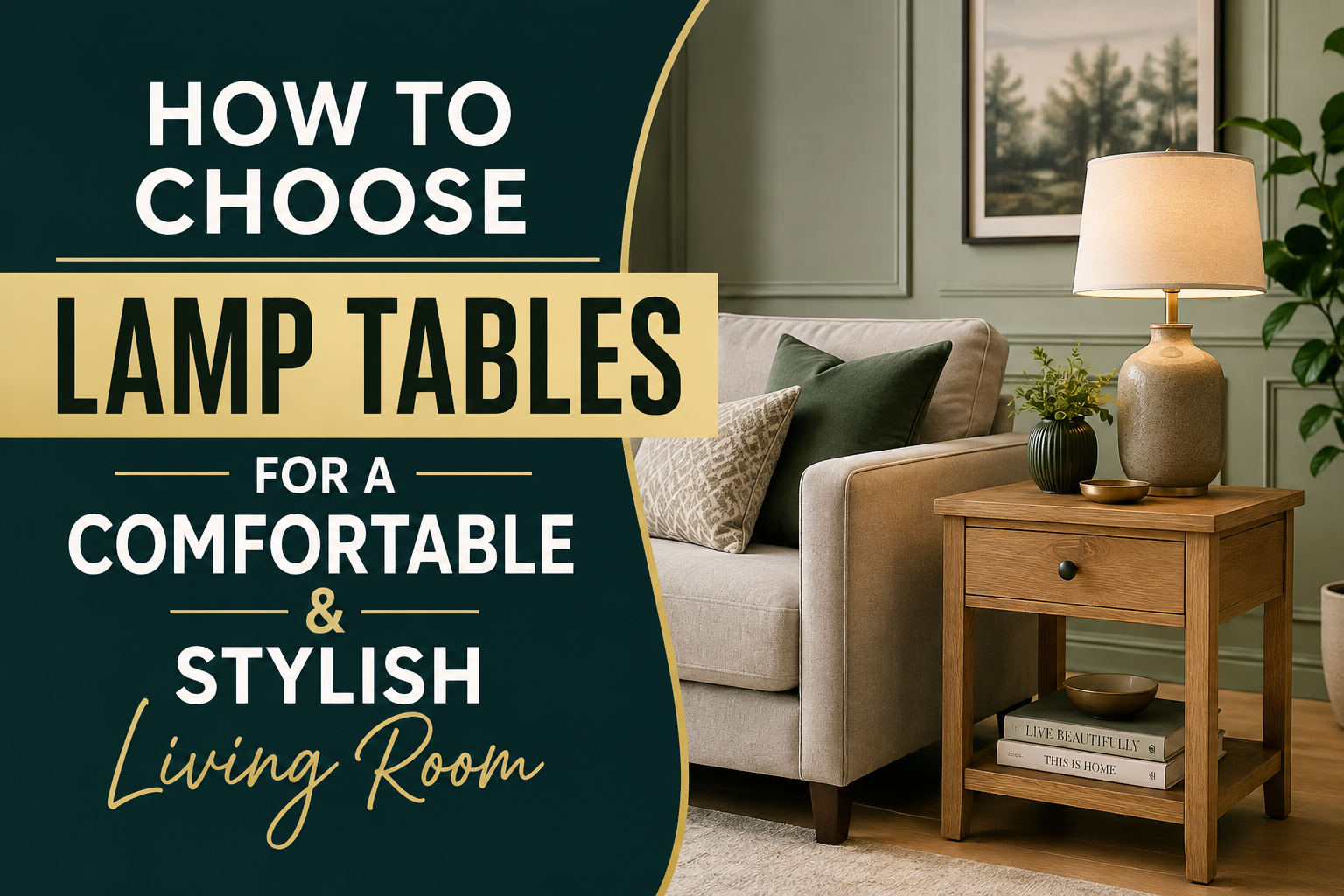
How to Choose Lamp Tables for a Comfortable and Stylish Living Room
Aug
A living room needs more than a sofa and a coffee table to feel complete. Smaller furniture pieces play an important role in making the space comfortable, practical and visually balanced. A well chosen table beside a sofa or armchair can give you a convenient place for a drink, reading material or lighting while also filling the space naturally.
For many homes, the challenge is finding furniture that provides useful surface space without making the room feel crowded. This is where lamp tables can be especially effective. Their compact size allows them to sit comfortably beside seating while giving you everyday functionality that larger tables cannot always provide.
Choosing the right table is about more than selecting a design that looks attractive. You need to consider its height, width, shape, material, finish and relationship with the furniture already in the room. When these elements work together, even a small table can have a meaningful effect on the overall comfort and appearance of your living space.
What Is a Lamp Table?
A lamp table is a small occasional table designed to sit beside a sofa, armchair or other seating. Although its traditional purpose is to provide a surface for a table lamp, it can also hold drinks, books, glasses, remotes, decorative accessories and other items that you want close at hand. Its compact design makes it useful in both spacious living rooms and smaller homes where every part of the floor plan matters.
Unlike a coffee table, which normally sits in front of a sofa and serves several people at once, a lamp table is usually positioned beside one seating area. This makes it more personal and practical for everyday use. The right table can give someone sitting in an armchair their own convenient surface without requiring them to reach across the room.
Lamp tables can also help bring a room together visually. A sofa can sometimes look isolated when placed beside an empty wall or open floor area. Adding a small table with a lamp or carefully selected accessory can create a smoother transition between large furniture pieces and the surrounding space.
Why Lamp Tables Are Useful in Modern Living Rooms
A well positioned table can solve several everyday problems without taking up a great deal of space. When you are sitting on a sofa or chair, having a nearby surface means you do not need to place drinks on the floor or keep books and remote controls on the seating. This simple convenience can make the room feel easier and more comfortable to use.
They are also useful for improving the visual balance of a room. Large sofas and armchairs have considerable visual weight, and a smaller table can soften the space around them. Placing a lamp table at the end of a sofa or beside a chair can create a more finished furniture arrangement without adding another large piece.
Another advantage is flexibility. A lamp table can support lighting in one arrangement and later be moved to another part of the room if your furniture layout changes. This makes a good quality occasional table a practical long term addition rather than something that only works in one specific position.
How to Choose the Correct Height
Height is one of the first things to consider because it directly affects comfort. A table that is too low can force you to lean down every time you want to pick something up, while a table that is too high can feel awkward beside lower seating. The most comfortable option usually relates closely to the arm height of the sofa or chair it will accompany.
Before buying, measure from the floor to the top of the seating arm. This gives you a useful reference point when comparing table dimensions. You should also think about what you plan to place on the table because a surface used mainly for a lamp may have different practical requirements from one used regularly for drinks and books.
There is no single height that works in every room because sofas and armchairs vary considerably in design. The important thing is to create a comfortable relationship between the seating and the tabletop. When you can reach the surface easily without stretching or bending too far, the table becomes much more useful.
Consider the Width and Depth
The available floor space should influence your choice just as much as the table’s appearance. A narrow table can work well beside a compact armchair, while a broader design may look more suitable next to a large sofa. Choosing a table that is too large can restrict movement and make the room feel crowded even when there is technically enough space.
Measure the area where you intend to place the table before making a decision. Check the distance between the seating and nearby walls, doors, windows and other furniture. It is also important to consider how people walk through the room because the table should not create an unnecessary obstruction.
Think about the surface area you actually need as well. A small table may be perfect if you only want to place a lamp and a cup, whereas a slightly larger design may be preferable if you regularly keep books, glasses and decorative items nearby. The best size is the one that provides enough function without overwhelming the space.
Select a Shape That Works With Your Furniture
The shape of a lamp table can influence both the visual character of the room and how easily people move around it. Square and rectangular tables tend to create a structured appearance and often work well with sofas that feature straight lines. Their defined edges can also make good use of corners and narrow spaces.
Round tables can create a softer appearance and may work especially well when the room already contains many angular furniture pieces. Their curved edges can also make movement around the table easier in certain layouts. The choice should depend on both the style of the room and the practical space available.
You do not need every item of furniture to have the same shape. In fact, using a mixture of straight and curved forms can create more visual interest. The important thing is to ensure that the different shapes feel proportionate and related rather than competing with one another.
Think Carefully About Materials
Material has a strong effect on the character of occasional furniture. Wooden tables can introduce warmth and natural texture into a room, making them a particularly versatile choice for living spaces. Oak, for example, can work with both traditional and contemporary interiors because its natural grain provides interest without relying on excessive decoration.
Glass can create a lighter visual appearance and may be useful when you want the table to provide function without adding too much visual weight. Metal details can bring a more contemporary feel, particularly when combined with glass, wood or darker finishes. Upholstered seating often looks especially appealing when contrasted with hard natural materials.
The right material is ultimately the one that works with the furniture already in your home. Consider your flooring, sofa fabric, coffee table, storage furniture and other wood or metal details. A table that complements these existing elements will usually look more integrated than one chosen purely because its material is fashionable.
How Lamp Tables Improve Everyday Comfort
A carefully positioned table can make a living room noticeably easier to use. Imagine sitting in your favourite armchair with a cup of tea and a book, but the nearest surface is several feet away. A small table beside the chair solves that problem immediately by keeping essential items within easy reach.
The same applies to a sofa. The person sitting at one end can use the table for a drink, phone, reading glasses or remote control without disturbing other people. This may seem like a minor convenience, but small details like this can have a major effect on how comfortable a room feels during everyday use.
A lamp table can also support a table lamp, allowing you to create more focused lighting around a seating area. Instead of relying only on a central ceiling light, you can introduce softer local illumination for reading, relaxing or entertaining. This gives the furniture a useful role in both comfort and atmosphere.
Use Lamp Tables to Create Better Seating Zones
Furniture layout has a major influence on whether a living room feels connected or disjointed. A sofa placed on its own can sometimes leave the surrounding area looking unfinished. Adding a table beside it can create a more complete arrangement and give the seating a stronger relationship with the rest of the room.
The same idea works particularly well with armchairs. An unused corner can become a comfortable reading area when you combine a chair with a suitable table and lamp. Instead of seeing the corner as wasted floor space, you can turn it into a practical part of the room that offers another place to sit and relax.
Larger rooms can benefit from more than one seating zone. A central sofa arrangement might use a coffee table, while a separate chair can have its own occasional table and lighting. This approach allows the room to support different activities without making the entire space feel like one oversized seating area.
Do Lamp Tables Need to Match?
Matching furniture can create a neat and coordinated appearance, but identical pieces are not always necessary. A room can often look more natural when the furniture shares complementary materials, colours or design features rather than following one rigid style. This creates consistency without making everything look exactly the same.
For example, a wooden lamp table can work alongside a different style of coffee table when both use related wood tones or finishes. Similarly, a modern table can complement more traditional seating if its proportions and colours fit the wider room. The aim is to create visual harmony rather than perfect repetition.
There are situations where matching tables are useful. Two identical tables can provide symmetry on either side of a sofa or create balance around a pair of armchairs. However, the decision should always come back to how the room is used and whether each piece adds genuine value.
Choosing a Lamp Table for a Small Living Room
Small living rooms require careful planning because too much furniture can quickly restrict movement. A compact lamp table can be useful because it provides a practical surface without requiring the footprint of a larger cabinet or additional seating. This allows you to improve functionality while keeping more open floor space.
Measure the exact area beside your sofa or armchair before choosing the table. Consider where doors open and close, where people walk and where other furniture sits. A table that fits visually but interferes with movement will become frustrating over time.
Shape can make a noticeable difference in small rooms. A round table may be easier to navigate around, while a narrow rectangular design could fit neatly against a wall or beside a sofa. Prioritise the function you need and then choose a style that fits within those practical limitations.
Choosing a Lamp Table for a Large Living Room
A larger living room gives you more freedom but introduces a different challenge. Too much empty space can make the room feel disconnected, especially when large sofas and armchairs are positioned far apart. Occasional furniture can help link these areas and create a more balanced arrangement.
A substantial lamp table can work well beside a large sofa where a smaller design might look lost. Multiple tables can also be used around different seating areas when the room is designed for entertaining or has several distinct zones. The goal is to distribute visual weight so that one part of the room does not dominate everything else.
Even in a spacious room, however, you should avoid adding furniture simply because space is available. Every table should have a clear purpose. When occasional furniture provides useful surfaces, lighting support or visual balance, it becomes a valuable part of the room rather than unnecessary decoration.
What Should You Put on a Lamp Table?
A lamp is the most obvious choice, but the tabletop can support several practical and decorative items. Books, reading glasses, a small bowl, a vase or a framed photograph can add personality without taking away from the table’s usefulness. The key is to keep the arrangement simple enough that you still have free space when you need it.
Too many accessories can make even a good table difficult to use. If every inch of the surface is occupied, you may have nowhere to place a drink or phone. A better approach is to select a few items that serve a purpose or add visual interest while leaving enough clear space for everyday use.
The size of the decorative items should also relate to the table. A large lamp may require a wider and more substantial tabletop, while a small table may suit a compact lamp and one additional accessory. Keeping scale in mind will make the overall arrangement feel more balanced.
Lamp Tables and Lighting
Lighting should be considered when selecting a table that will support a lamp. The table needs to provide a stable surface with enough room for the lamp base and any small items you expect to keep nearby. A lamp that is too large for the table can look unbalanced and may make the furniture feel less secure.
The position of the table affects how useful the lighting will be. A lamp beside an armchair can create focused light for reading, while one at the end of a sofa can provide a wider glow across part of the room. This means the table can contribute to the overall lighting plan rather than simply acting as furniture.
Layered lighting can also make a living room more comfortable in the evening. Combining ceiling lighting with table lamps and other smaller sources allows you to change the brightness and atmosphere according to what you are doing. A suitable lamp table makes this flexibility easier to achieve.
Match Proportions Rather Than Chasing Perfectly Matching Styles
Proportion is one of the most important principles when combining furniture. A very small table can look insignificant beside a large deep sofa, while an oversized table can overwhelm a delicate armchair. The pieces should feel like they belong together in terms of scale.
Look at the width and height of the seating as well as its overall visual weight. A lower modern sofa may work well with a clean and compact table, while larger traditional seating may suit a stronger design with more substantial proportions. These relationships often matter more than whether the styles are identical.
The same principle applies to accessories. A large lamp needs a table that can support it visually and physically. A small decorative item may disappear on a very large surface. When the proportions are right, the room feels naturally balanced without requiring every piece to match.
Consider the Rest of Your Living Room Furniture
A lamp table should be considered as part of the complete furniture arrangement. Look at the sofa, armchairs, coffee table, TV unit, bookcases, console furniture and storage pieces already present in the room. This helps you choose a table that complements the wider design rather than appearing as an isolated purchase.
Evans of High Wycombe offers lamp tables as part of its wider living room furniture selection, alongside coffee tables, nest of tables, TV units, bookcases and console tables. This gives homeowners the opportunity to consider smaller occasional pieces within a broader living room furniture scheme rather than choosing every item independently.
Pay attention to repeated materials and details. Similar wood tones, complementary finishes or related leg designs can create a subtle connection between furniture pieces. You do not need everything to be identical, but there should be enough visual consistency for the room to feel deliberately planned.
How to Position a Lamp Table Beside a Sofa
The most common position is directly beside one end of the sofa. This gives the person sitting there easy access to a drink, book, lamp or other everyday item. The table should be close enough to use comfortably without becoming so close that it restricts the sofa arm or movement around the furniture.
You can also position the table slightly behind the front edge of the sofa when the design allows it. This can create a neat appearance and is often suitable when the main purpose of the table is to support a lamp. The correct position depends on the sofa shape and the amount of space available.
Before settling on the final position, sit on the sofa and test the arrangement. Try reaching for the tabletop as you normally would. Walk around the seating several times to make sure the table does not create an awkward obstruction. Practical testing is often more useful than relying on measurements alone.
Can a Lamp Table Replace a Coffee Table?
A lamp table and coffee table normally serve different functions, so one should not automatically be treated as a replacement for the other. A coffee table usually sits centrally and provides a shared surface for the whole seating area. A lamp table is positioned beside seating and is more focused on personal convenience.
However, smaller rooms may not need every type of occasional furniture. If you have limited space, a well positioned lamp table can provide enough extra surface for your needs without forcing another large table into the room. This can help preserve valuable floor space.
The decision should be based on how you actually use the living room. Think about where you place drinks, books, remotes and decorative items. If a lamp table provides the practical support you need and the room already has another suitable central surface, there may be little reason to add more furniture.
When Two Lamp Tables Make Sense
Two tables can work particularly well when the seating arrangement is symmetrical. Placing one table at each end of a large sofa can create a balanced appearance and provide useful surfaces for both sides. This arrangement also gives you more options for table lamps and decorative accessories.
A pair can also be useful around separate armchairs. Matching designs can give the room a coordinated appearance, especially in a more formal setting. However, there is no requirement to use two simply for visual symmetry if only one side of the room genuinely needs a table.
Consider function before symmetry. If one side of the sofa is close to a doorway or another piece of furniture, forcing a second table into the space may create unnecessary clutter. Good furniture planning should always prioritise comfort and movement.
Make Better Use of Empty Corners
Empty corners can sometimes make a living room feel incomplete, but filling every corner with furniture is not the answer. A lamp table works well because it can add purpose to a vacant area without making the room feel heavily furnished.
A chair, lamp table and suitable lighting can create a compact reading or relaxation zone. This is particularly useful in larger rooms where one seating area may not be enough to make the space feel balanced. It also allows different members of the household to use the room in different ways.
In smaller rooms, a corner table can provide storage or surface space where a larger piece would not fit. The trick is to select a design that matches the proportions of the area and leaves enough room for comfortable movement around it.
How to Choose a Finish That Will Stay Versatile
Furniture often lasts longer than individual decorating trends, so versatility should be part of your decision. A finish that works with several colours and materials is more likely to remain useful if you later change your sofa, rug, curtains or wall colour.
Natural wood finishes can be especially flexible because they introduce warmth while working with a wide range of interior styles. Neutral tones can also make it easier to introduce different decorative accessories over time without creating visual conflict.
A distinctive design can still be a good choice when used carefully. A sculptural base or unusual finish can become a feature of the room when the surrounding furniture is relatively simple. The key is to think about whether the table will continue to work as the rest of the room evolves.
Think About Quality and Construction
Small furniture should still be expected to provide reliable everyday performance. Because lamp tables are often moved, used frequently and placed close to seating, construction quality matters. A stable frame, well finished surface and durable materials can all contribute to a better long term experience.
It is worth considering how the table has been constructed as well as how it looks. A quality finish can enhance the appearance of the wood or other material, while a stable base can prevent unnecessary movement when items are placed on the surface.
Good furniture should continue to feel appropriate after years of normal use. Choosing based on quality rather than appearance alone can help you avoid replacing the table simply because it no longer performs well.
Consider Maintenance Before You Buy
The amount of maintenance a table requires can vary according to its material and finish. Wooden surfaces should be cared for according to the manufacturer’s recommendations so that their appearance remains attractive. Glass may require more frequent cleaning to keep it looking clear and polished.
Think about your household routine when making the decision. A table used every day for drinks and books may need a surface that is easy to keep looking neat. A table used mainly for decoration can be chosen with different priorities.
Maintenance should not be overlooked because it affects how much enjoyment you get from the furniture over time. A practical finish that suits your lifestyle is usually a better investment than one that requires more care than you are realistically prepared to provide.
Common Mistakes to Avoid
One common mistake is buying a table based purely on appearance without checking the dimensions. A design can look perfect in a showroom or photograph but prove too large, too low or too high once positioned beside your sofa. Measuring before purchasing can help prevent this problem.
Another mistake is ignoring the circulation space around the table. Living rooms need clear pathways, especially between doors, seating and other furniture. A table that constantly gets in the way can become a daily frustration, so movement should always be part of the planning process.
Overloading the tabletop is another issue. The best occasional furniture combines decoration with practical use. Keep enough free space for everyday needs rather than covering the surface with accessories simply because there is room for them.
A Simple Way to Choose the Right Table
Start by identifying exactly where the table will go and what you want it to do. Decide whether it will mainly support a lamp, provide a place for drinks and books, create a decorative feature or serve several of these purposes at once. This will make it easier to choose a suitable size and design.
Next, measure the available area and compare it with the dimensions of the table. Check the height of the nearby seating and consider how easily you can reach the tabletop. These practical details are often more important than the table’s appearance when it comes to everyday comfort.
Finally, consider the wider room. Look at colours, materials, shapes and proportions across your existing furniture. The right table should feel like part of the room’s design while also providing a clear practical benefit.
Why Occasional Furniture Deserves More Attention
Occasional furniture may be smaller than a sofa or cabinet, but its role in a room should not be underestimated. These pieces provide useful surfaces, support lighting and help connect larger furniture elements. They can also be moved more easily when you want to refresh your layout.
For this reason, occasional tables can be a sensible way to improve an existing living room without replacing its main furniture. A carefully chosen piece can solve a practical problem while making a noticeable visual improvement.
The best choices combine design and purpose. Rather than buying a table simply because you have an empty space, think about how it will improve the way the room works. When the answer is clear, the furniture is much more likely to remain useful.
Creating a Comfortable and Well Balanced Living Room
A successful living room is about more than filling the available floor space. It is about creating an environment where furniture supports everyday activities and where every piece contributes to the overall feel of the room. Small details such as table height, surface space and positioning can influence comfort more than many homeowners expect.
A lamp table can provide a convenient surface beside seating, support a useful source of lighting and improve the visual balance of the room. It can make an empty corner more purposeful, give an armchair its own practical zone or complete the arrangement around a large sofa.
The best result comes from considering the complete furniture layout. When your sofa, chairs, tables, lighting and storage work together, the room becomes easier to use and more inviting. A carefully chosen occasional table can be an important part of achieving that balance.
Wrapping Up
The right lamp table should combine practicality, suitable proportions and a design that complements the rest of your living room. Its purpose is not simply to provide somewhere to place a lamp. It can support everyday items, improve access to essentials, create more useful seating zones and contribute to the overall appearance of the room.
Before making a choice, measure the available space, consider the height of your seating and decide how you plan to use the tabletop. Look at the table’s material, finish and shape and compare them with the furniture already in your home. A little planning can help you select a piece that feels natural within the room rather than something that looks added as an afterthought.
Evans of High Wycombe provides a range of living room furniture designed to help homeowners furnish their spaces with practical and complementary pieces. Its lamp table collection can be considered alongside other living room furniture when creating a coordinated and comfortable environment.
A small table may occupy very little floor space, but when it is chosen carefully it can make everyday living easier while adding the finishing touch to a well planned room.