Style
How to Choose the Perfect Dining Chairs
Jul
Gathering around a dining table forms the emotional pulse of a home. It is where morning coffee rituals begin, where evening meals unfold slowly, and where guests linger long after dessert is finished. When designing a dining room, homeowners often spend months selecting the perfect tabletop timber or pendant lighting, treating the surrounding seats as an afterthought. Physical comfort during a meal relies almost entirely on the quality and structure of the seating.
Creating a balanced dining atmosphere requires aligning aesthetic beauty with practical ergonomics. The texture of solid timber underhand, the resilience of cushion fillings, and the gentle sweep of a backrest dictate whether a meal feels effortless or tiring. When seating lacks proper lumbar support or correct proportions relative to the table, even an extraordinary dining room loses its inviting warmth.
Selecting high-quality dinning chairs requires evaluating structural joinery, seat depths, and cushion resilience rather than relying solely on surface trends. From matching seat heights with table aprons to selecting upholstery that resists daily spills, every decision shapes how your space functions over time. Investing thoughtful attention into these elements transforms a standard dining setup into a comfortable gathering area built for years of memories.
Mastering Ergonomic Proportions and Table Clearance
To achieve optimal comfort around a dining table, the relationship between seat height and tabletop height must be precise. The standard vertical clearance between the top of the seat cushion and the underside of the table or apron should measure between 28 and 30 centimeters. This distance provides ample legroom for comfortable movement while allowing diners to maintain an upright posture without slouching forward.
Seat depth plays an equally vital role in daily ergonomics. A cushion that extends too far forward can press uncomfortably against the back of the knees, whereas a shallow seat fails to support the thighs adequately during longer meals. Reclining backrests should offer a gentle pitch between 100 and 105 degrees to encourage natural relaxation while keeping diners comfortably positioned for eating and conversation.
Material Foundations for Frame Strength and Longevity
The foundation of durable seating lies in the choice of framing materials and joinery techniques. Hardwoods such as kiln-dried oak, ash, and walnut remain the benchmark for traditional and contemporary frames due to their tight grain structure and exceptional resistance to warping. Mortise-and-tenon joints reinforced with corner blocks provide superior structural integrity compared to basic dowel or screw fastenings, preventing wobble over years of daily usage.
Metal frames crafted from powder-coated steel or brass offer sleek profiles suitable for minimalist interiors, though they require precise welding and floor protection caps to avoid scratching hardwood floors. Selecting frames constructed with sustainable timber and durable finishes ensures that your furniture maintains its structural poise through generations of family life.
Upholstery Engineering and High-Resilience Cushioning
Choosing upholstery involves balancing tactile luxury with practical resilience. High-traffic dining spaces benefit from performance fabrics woven from treated synthetic fibers or heavy-duty natural blends that resist liquid absorption and staining. Martindale or Wyzenbeek abrasion ratings serve as helpful indicators of fabric durability, with options rated above 20,000 double rubs easily handling the rigors of frequent meals.
Beneath the surface, cushion filling density dictates how well a seat retains its shape. High-density polyurethane foam cores wrapped in polyester fiber layers offer firm, supportive sitting that resists sagging over time. For a softer feel, feather and down blends can be incorporated over a resilient foam core, striking a balance between cozy sink-in comfort and structural recovery.
Navigating Spatial Layout and Traffic Flow in the Dining Room
A well-planned dining layout ensures that movement around the room remains fluid and uncluttered even when every seat is occupied. A minimum clearance of 90 centimeters should be maintained between the edge of the dining table and adjacent walls or storage units, allowing diners to push their seats back smoothly without hitting obstacles.
When planning seating along the perimeter of a table, allocate at least 60 centimeters of width per person to prevent elbow crowding. If armchairs are selected for the dining area, ensure that the armrests can tuck neatly beneath the table apron when not in use, preserving open pathways and maximizing floor space in smaller dining rooms.
Harmonizing Form Styles Across Classic and Modern Decor
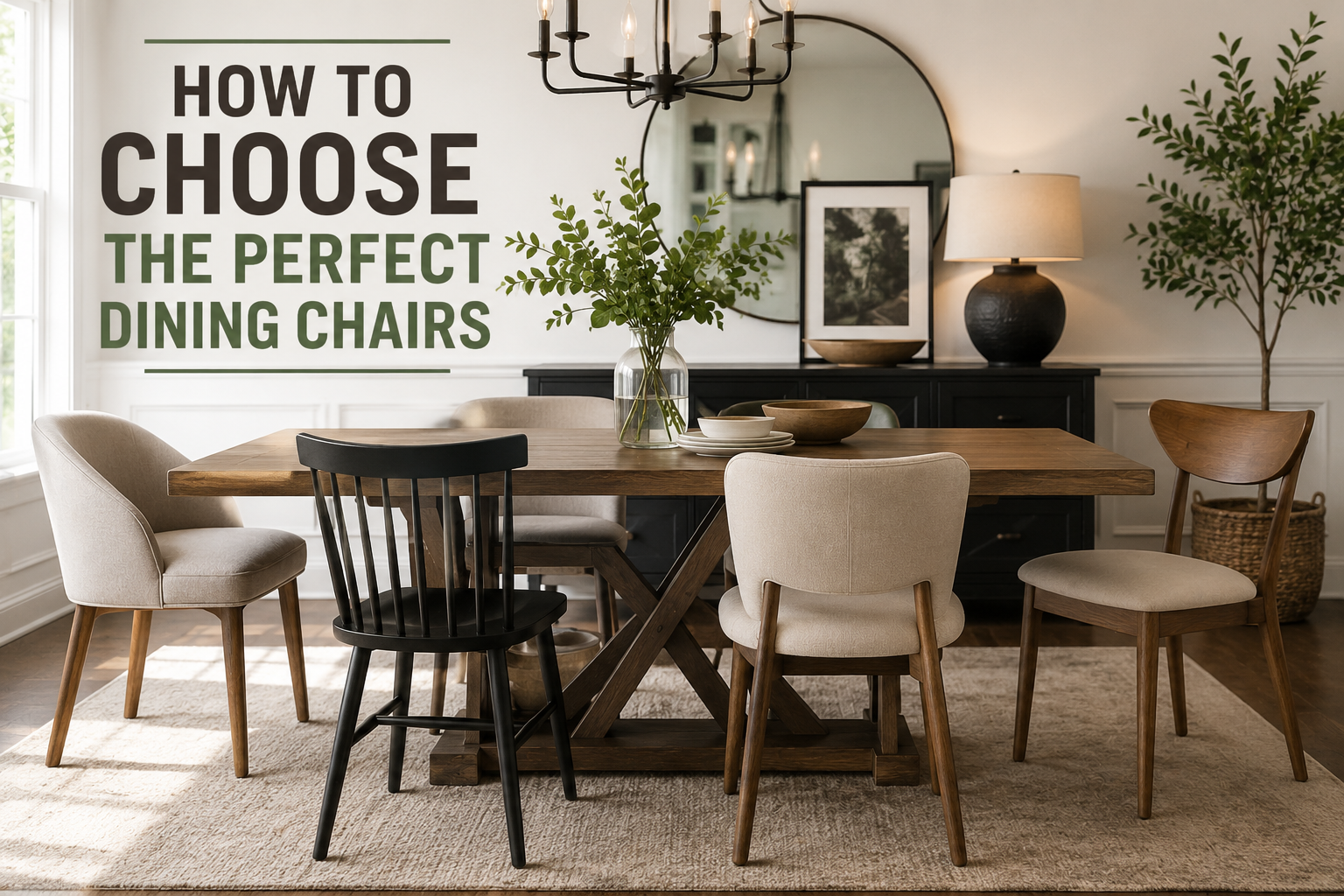
Architectural coherence in a dining space does not require every chair to match perfectly. Mixing subtle design elements can add visual depth and character to a dining room. Pairing a sleek solid timber table with fully upholstered end chairs creates an inviting focal point while retaining functional simplicity along the sides.
When combining different chair styles, maintain a unifying element such as a consistent wood tone, complementary fabric palette, or matching seat height. This approach ensures that the room feels intentionally curated rather than mismatched, blending vintage charm or industrial accents into modern living environments without disrupting visual balance.
Long-Term Care and Maintenance for Wooden and Upholstered Seats
Preserving the appearance and structural soundness of dining seating requires straightforward, consistent care. Felt pads attached to the base of chair legs prevent scratching on timber or tile floors and reduce noise when seats are moved. Periodically checking and gently tightening hardware on metal or knock-down frames prevents loose joints from causing structural strain over time.
Upholstered seats benefit from routine vacuuming with a soft brush attachment to remove dust before it settles into fabric fibers. Spills should be blotted immediately with a clean microfiber cloth rather than rubbed, preserving fiber integrity and stain resistance. Applying wood conditioners to natural timber frames protects against humidity fluctuations and preserves the wood’s natural luster.
Heritage Craftsmanship and Custom Comfort Solutions
Finding furniture that fits your home’s exact dimensions and design aesthetic often leads back to traditional British furniture making. Handcrafted in High Wycombe, the historic center of fine chair-making in the United Kingdom, bespoke furniture offers tailored comfort configured to individual lifestyle requirements. Skilled artisans combine decades of heritage techniques with modern ergonomic knowledge, constructing frames, cushion fills, and seat depths customized to your exact preferences.
Whether selecting from over 5,000 designer upholstery fabrics or configuring specific seat depths to accommodate your space, bespoke furniture makers prioritize personal preference and long-lasting quality. Explore timeless handmade designs and custom upholstery options directly at Evans of High Wycombe to discover how bespoke seating can elevate your home.
Conclusion
A well-designed dining area is far more than a simple arrangement of furniture; it serves as the backdrop for daily routines, quiet morning teas, and memorable celebrations with loved ones. By focusing on ergonomic proportions, robust joinery, and resilient fabric selections, you can create a space that balances beauty with exceptional comfort for years to come.
Prioritizing structural quality and customized support ensures that every meal feels welcoming to family members and guests alike. Investing in durable frames and thoughtful cushion density transforms basic seating into an enduring investment that enhances the overall aesthetic and utility of your living space.
Taking the time to choose the ideal dining room chair ensures that visual elegance never comes at the cost of genuine relaxation. When form and function exist in harmony, your dining room becomes a natural sanctuary for hospitality and shared moments within the home.