Style
How to Decorate a Lounge

Sep
Most people don’t decorate a lounge all at once. They move in, put a sofa against one wall, a TV against the other, and then slowly add things until the room feels cluttered but still unfinished. If you search for how to decorate a lounge, you will find a hundred checklists telling you to buy throw pillows and hang a mirror. But those lists rarely help because they skip the part where you actually figure out what works for your space, your budget, and how you live day to day.
This guide is different. It will not tell you to simply add texture or create a focal point. Instead, it breaks down the real decisions you need to make, why most people get them wrong, and what to do instead. By the end, you should have a clear plan that doesn’t require an interior designer or a huge credit card bill.
Start with how the room will actually be used
Before you think about colors or sofas, think about a typical Tuesday evening. Who sits where? Does someone eat dinner on the couch? Do you need a spot for a laptop? Do pets sleep in the same spot every night? These details matter more than any design trend.
A lounge that looks beautiful in photos but doesn’t function for your daily routine will never feel right. For example, if two people watch TV every night, a single large sofa might work better than two separate chairs that force someone to sit sideways. If you often have guests, you need at least one extra seat that isn’t a dining chair dragged in from the kitchen.
Write down three activities that happen in the room most days. Then write down one activity that happens occasionally, like hosting a game night or having a parent stay over. Let those answers guide every furniture choice you make. A room designed around real life always looks better than a room designed around a catalog photo.
Measure the space
Many people measure the length and width of the room, then buy furniture that fits on paper. But they forget about the space needed to walk around that furniture. A sofa that is technically fits might still leave only a narrow sliver to squeeze past to reach the balcony door.
The simple rule is to leave at least 60 to 90 centimeters (about two to three feet) of clear walking space around the main seating area. If you have a coffee table, leave at least 35 to 45 centimeters between the table edge and the sofa so you can reach your drink without leaning forward awkwardly.
Instead of guessing, use masking tape on the floor. Mark the outline of the sofa, the coffee table, and any chairs. Then walk through the space. If you bump into the tape or have to twist sideways, the furniture is too big or the layout is wrong. This takes five minutes and saves you from a costly return.
Decide on a color palette
Most people pick paint colors first, then try to match furniture to the walls. That is backwards. Paint is cheap and easy to change. Furniture, rugs, and art are not. So start with the pieces you already have or plan to buy.
Look at the largest item in the room, usually the sofa. What color is it? If it is gray, that is your base. Now look at a rug or a favorite piece of art. What colors appear there? Pull two or three colors from those items and use them for curtains, pillows, and accessories.
A common mistake is trying to match everything exactly. If your sofa is beige and your rug is beige and your walls are beige, the room looks flat. Instead, aim for a range of tones with light beige walls, a medium brown sofa, a dark wood coffee table, and one accent color like rust or forest green for pillows and throws.That variation in lightness and darkness is what makes a room feel rich, not just a specific color choice.
The rug is not an afterthought
If you are going to spend money on one thing besides the sofa, make it a good rug. A rug anchors the seating area and separates it from the rest of the house, especially in open floor plans.
The biggest mistake is buying a rug that is too small. A rug that only fits under the coffee table, with the sofa and chairs completely off it, makes the room feel chopped up. The rug should extend under the front legs of all main seating pieces. For a standard three seat sofa, that usually means a rug at least 2.4 by 3 meters (8 by 10 feet). If your room is larger, go bigger.
Material matters too. Wool rugs last long and feel good underfoot but can be pricey. Synthetic rugs like polypropylene are budget friendly and easy to clean, which is useful if you have kids or pets. Avoid shag rugs in high traffic areas they trap crumbs and are hard to vacuum.
Wall Color: Think About Light Before Paint
Paint looks different in the store than it does on your wall. The direction your windows face changes everything. A north facing room gets cool, grayish light, so warm beige or cream paints help balance that. A south facing room gets warm, golden light, so cooler grays or blues can keep the room from feeling too hot.
Always test paint before committing. Buy a sample pot and paint a large square on two different walls one near the window and one in a darker corner. Look at those squares in the morning, afternoon, and evening. If the color still looks good at all three times, go for it.
If you are afraid of color on the walls, remember that white is not the only neutral. Soft sage green, pale blue gray, or warm greige (a mix of gray and beige) can add subtle interest without overwhelming the room. And you can always paint just one wall a deeper tone to create depth behind the sofa.
Sofa selection
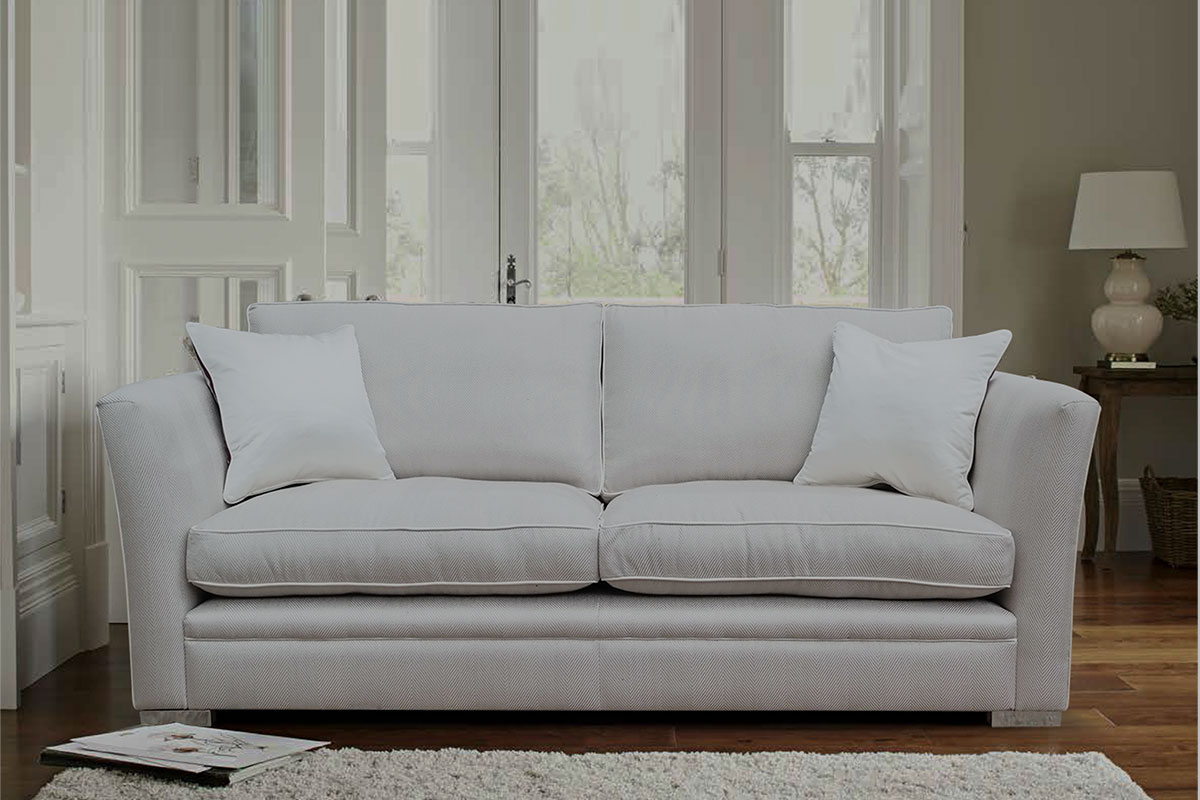
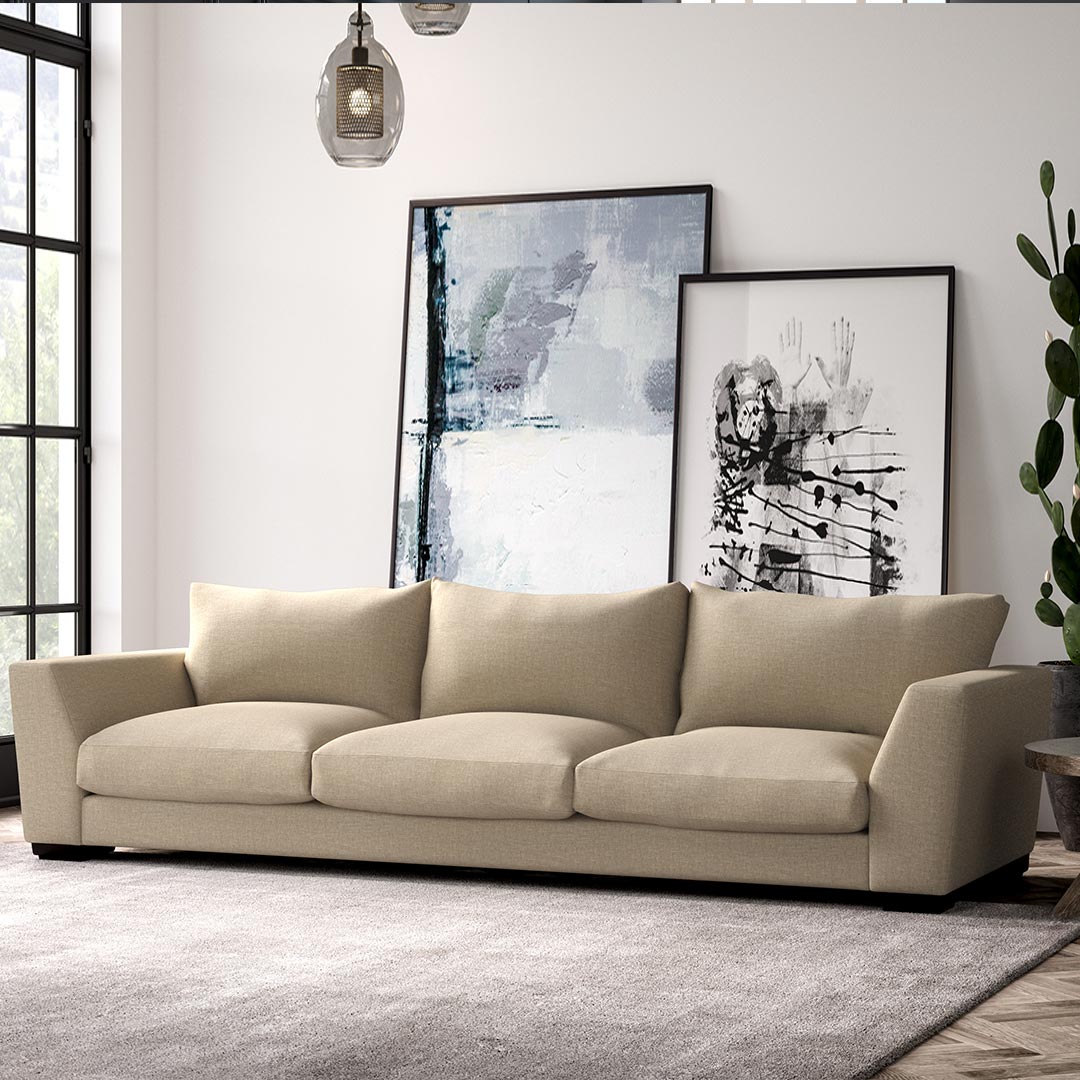
A sofa is a long term investment. Do not buy one online without sitting on it, even if the photos look perfect. Cushion firmness, seat depth, and back height all affect how it feels after two hours of watching a movie.
If you are tall, a deep seat with low back support might hurt your neck. If you are short, a deep sofa might leave your feet dangling. Sit on the sofa the way you actually sit at home curled up, lying down, or sitting upright. If you cannot lounge comfortably, it is the wrong sofa.
Fabric choice is also practical. Linen looks lovely but wrinkles and stains easily. Velvet is soft but shows pressure marks. Leather is durable but cold in winter and hot in summer. Performance fabrics, which are synthetic blends designed to resist stains, are the best choice for most households with kids or pets.
Difference between a waiting room and a living room
Harsh overhead lighting is the fastest way to make a lounge feel unwelcoming. If you have ceiling lights, put them on a dimmer switch. Then add at least two other light sources at different heights.
A floor lamp next to the sofa provides reading light. A table lamp on a side table or console adds a warm pool of light. If you have shelves, a small lamp on a shelf adds unexpected coziness.
The color of the light bulb matters too. Look for bulbs labeled warm white or around 2700K to 3000K. Anything higher, like daylight bulbs at 5000K, will make the room look like a supermarket.
One trick that always works: place a lamp in a dark corner. Corners naturally collect shadows, and a lamp there balances the light across the room.
Coffee table styling without the clutter
A coffee table is not a storage bin. If you pile mail, remotes, and half empty cups on it, the room looks messy no matter how nice the sofa is. Instead, treat the table like a small stage.
Start with a tray. A tray about 40 to 50 centimeters wide can hold the essentials: remote controls, coasters, a small candle. That keeps small items from scattering.
Next to the tray, place a short stack of two or three books. Choose books you actually like to flip through travel photography, architecture, a favorite novel. Top the stack with a small object, like a ceramic bowl or a small plant.
Leave at least one third of the table surface empty. That empty space is what makes the table look styled rather than crowded. If you need more storage, get a table with a lower shelf or drawers, but keep the top clean.
Art and mirrors: Hanging height and placement
Art hung too high is the most common decorating mistake. The center of the artwork should be at eye level, which is roughly 145 to 150 centimeters (57 to 60 inches) from the floor. If you are hanging art above a sofa, the bottom of the frame should be 15 to 20 centimeters above the back cushions.
If you have one large piece, center it on the wall or above the sofa. If you have several smaller pieces, group them into a gallery wall. Lay them out on the floor first to figure out spacing. A gap of 5 to 8 centimeters between frames works well for a tight, intentional look.
Mirrors do more than just reflect your face. A large mirror across from a window bounces natural light deeper into the room. A mirror on a side wall can make a narrow room feel wider. Just be careful not to hang a mirror where it reflects a blank wall or a messy corner, position it to reflect something pleasant, like a plant or a bookshelf.
The overlooked corners and empty walls
Every lounge has at least one awkward spot: the corner next to the sofa, the wall behind the door, the space beside the TV. These areas often stay empty because no one knows what to do with them.
For a bare corner, a tall floor plant works wonders. Snake plants, rubber plants, and fiddle leaf figs are popular for a reason, they are tolerant and fill vertical space. If you don’t trust yourself with a real plant, buy a high quality faux one and fluff the leaves so it doesn’t look flat.
For the wall behind a door, a shallow console table or a slim shelf can hold keys, a small lamp, or a bowl for loose change. If the wall is too narrow for furniture, hang a piece of art or a small mirror.
The space above the TV usually looks best left mostly empty. But if it feels too bare, add a floating shelf about 15 centimeters wider than the TV and place two or three small objects on it, spaced unevenly. Avoid hanging a large gallery wall above the TV, it competes for attention.
Layering textiles: Pillows and throws that actually look good
Throw pillows are not just decoration; they should be comfortable to lean against. A pillow that is purely decorative and too stiff to use is a waste of money.
When choosing pillow inserts, go one size larger than the pillow cover. For example, put a 50 centimeter insert in a 45 centimeter cover. This makes the pillow look full and plump instead of flat and sad.
Mixing pillow sizes is more important than mixing patterns. A standard square pillow (45 by 45 cm) paired with a lumbar pillow (30 by 50 cm) looks more interesting than five identical squares. If you want patterns, pick one pattern with a large scale, one with a small scale, and one solid. That keeps the sofa from looking chaotic.
Throws should be within reach. Fold one neatly over the arm of the sofa or drape it casually over a corner. If you have to dig through a basket to find a blanket, you won’t use it.
Final Layer
After all the practical decisions, the last step is to add a few items that have no design purpose other than making you happy. Maybe it is a stack of vinyl records leaning against the wall. Maybe it is a ceramic bowl your grandmother made. Maybe it is a framed photo from a trip that reminds you of a good day.
These items are what make a room feel like home. They don’t need to match the color scheme or follow any rule. In fact, the best rooms often include one or two things that are slightly off, a vintage lamp next to a modern sofa, a bright orange pillow on a gray chair, a quirky sculpture on a minimalist shelf. Those unexpected pieces keep the room from looking like a showroom.
So here is the simple order to follow: start with how you use the room, then size and layout, then the big pieces (rug and sofa), then walls and lighting, then the small layers (table, art, textiles). And at every step, ask yourself, Will this make my daily life easier and more comfortable? If the answer is yes, you are on the right track.
Decorating a lounge is not about perfection. It’s about creating a space you don’t want to leave. Take your time, make choices based on your real life, and the room will come together in a way that feels natural, because it is.