Style
How to Furnish Small Rooms
Oct
Furnishing a compact space is one of the most rewarding design challenges you can take on. When you understand how to furnish small rooms with intention, every piece you choose works harder, looks better, and transforms a tight layout into a comfortable, stylish retreat. The secret lies not in filling the room with as much as possible, but in selecting furniture that respects your floor plan, serves multiple purposes, and creates a sense of openness. Whether you are working with a snug living room, a modest bedroom, or a narrow dining area, the principles remain the same: measure carefully, prioritise quality over quantity, and let thoughtful design do the heavy lifting.
One of the most common mistakes people make in small rooms is buying furniture that is either too bulky or too flimsy. Both extremes cause problems. Oversized pieces swallow valuable floor space and make circulation difficult, while poorly made compact furniture often lacks the durability and comfort you need for everyday use. The sweet spot lies in pieces that are properly scaled, well constructed, and visually light. Furniture with exposed legs, slim arms, and clean lines allows your eye to travel across the room rather than getting blocked by heavy visual weight. This is why investing in quality craftsmanship matters so much in compact spaces. Every piece must justify its presence.
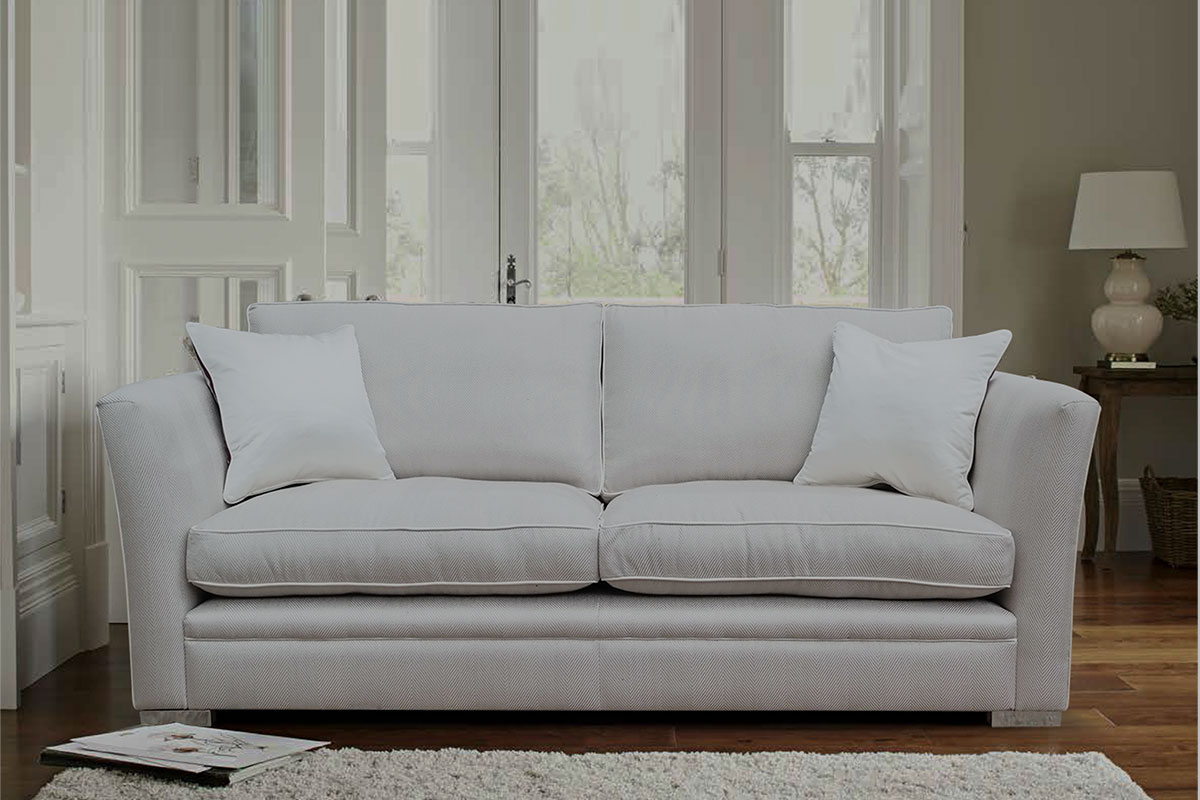
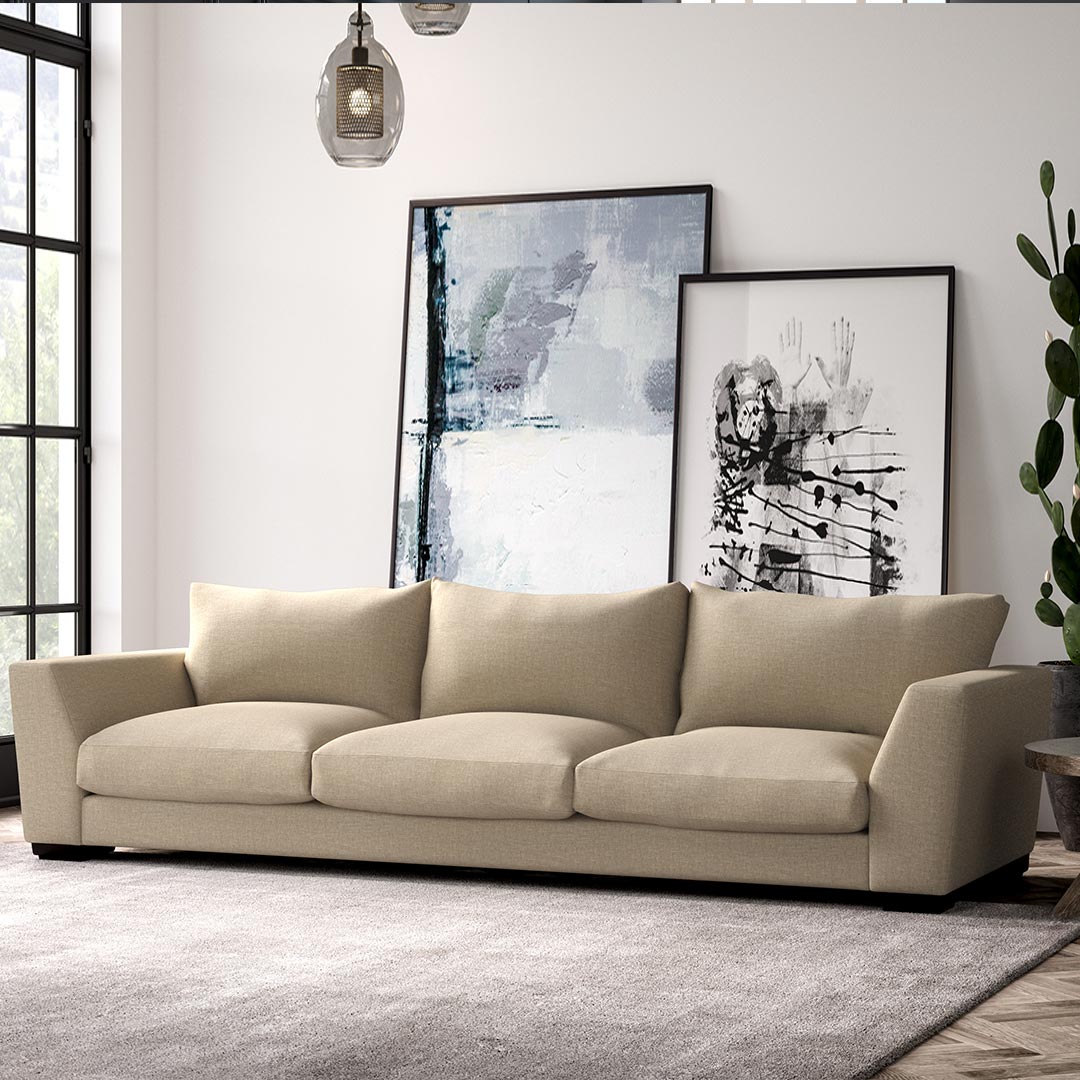
For homeowners in Buckinghamshire and beyond, Bespoke Sofa Sets offer a genuinely transformative solution for tight layouts. Unlike mass-produced sofas that come in fixed dimensions, a bespoke sofa is built to your exact specifications, meaning you can choose the precise width, depth, arm style, and fabric that suit your room perfectly. Evans of High Wycombe has been handcrafting bespoke sofas and chairs since 1958, using solid beech frames in their Buckinghamshire workshop, and every piece comes with a lifetime guarantee. This level of customisation is invaluable in a small room because you are not forced to compromise between comfort and fit. A bespoke two seater sofa sized at 143cm wide, 98cm deep, and 95cm high, for example, provides ample seating without overwhelming the space. You can also opt for modular configurations, built-in storage, or a chaise end that gives one person a place to stretch out while keeping the overall footprint manageable.
Understanding Why Small Furniture Pieces Can Have a Big Visual Impact is essential when planning a compact room. Small-scale furniture is not about settling for less. It is about curating pieces that add style, function, and personality without consuming unnecessary square footage. A well-chosen footstool, a nesting side table, or a slim console can become the details that people remember most in a room. Designers increasingly favour tiny tables over bulky coffee tables because they are easy to reposition, tuck away when not in use, and introduce texture and shape without dominating the floor plan. The key is to balance small pieces with a few larger anchor items so the room feels curated rather than cluttered. When every element is considered carefully, the result is a space that feels intentional, layered, and surprisingly spacious.
The Benefits of Bespoke Furniture in Compact Spaces
Choosing bespoke furniture over off-the-shelf options is one of the smartest decisions you can make for a small room. The ability to tailor dimensions, upholstery, and configuration means your furniture fits your space like a glove rather than forcing you to work around awkward gaps or tight corners. Evans of High Wycombe’s bespoke sofas are made using solid beech, a hardwood known for its strength and longevity, and the lifetime guarantee reflects the confidence they have in their craftsmanship. For a small room, this level of quality means you are investing once in a piece that will serve you for decades rather than replacing a flimsy sofa every few years.
Beyond durability, bespoke furniture allows you to address the specific quirks of your room. Perhaps you have a chimney breast that creates an awkward alcove, or a bay window that could accommodate a custom bench seat. A bespoke sofa can be designed to hug those architectural features, turning wasted space into a cosy seating area. You can also choose lighter upholstery fabrics that visually open up the room, or select a patterned textile to add depth and interest. The flexibility extends to the frame itself. Slim arms free up valuable inches, and raised legs create a sense of openness by allowing the floor to run underneath. These details matter enormously in a compact room.
Comparison Table: Standard vs Bespoke Furniture for Small Rooms
| Feature | Standard Furniture | Bespoke Furniture |
|---|---|---|
| Dimensions | Fixed sizes, limited options | Built to your exact measurements |
| Fit for awkward spaces | Often leaves gaps or feels cramped | Tailored to alcoves, bays, and narrow walls |
| Material quality | Varies widely | Solid beech frames with lifetime guarantee |
| Upholstery choice | Limited fabric and colour range | Extensive selection to match your scheme |
| Configuration | Fixed layouts | Modular, chaise, L-shape, or custom arrangements |
| Long-term value | May need replacing within a few years | Durable construction that lasts decades |
| Visual impact | Can look generic | Unique piece designed for your home |
Step-by-Step Guide to Furnishing a Small Room
Empty the Room Completely
Before you buy anything, remove every piece of furniture, rug, and accessory from the space. When the room is bare, you can see its true shape and notice details you may have overlooked, such as a radiator that projects from the wall, a door that swings across a large section of floor, or a sloping ceiling that reduces headroom in one corner. Take a tape measure and record the length and width of every wall, the height of windowsills from the floor, and the distance each fixed element projects into the room. This information will guide every decision you make.
Decide the Room’s Primary Purpose
A small room cannot successfully serve every function at once. If you try to make it a guest bedroom, a home office, a gym, and a storage room simultaneously, you will end up with a space that fails at everything. List all the activities the room needs to support, then choose one main job. The remaining functions must work around that priority. For example, if the room is primarily a living space, the sofa becomes the anchor, and any desk or storage must be integrated without competing for floor space.
Choose the Largest Piece First
In a living room, that means the sofa. In a bedroom, it is the bed. Getting this piece right is critical because everything else must fit around it. Look for a seat depth under 95cm, slim arms, and legs that lift the piece off the floor so the floor plane continues underneath. This visual continuity makes the room feel larger. If you are choosing a bed, a frame on tall, slender legs creates a floating effect that prevents the room from feeling grounded and heavy. Always measure your hallways, staircases, and door frames before ordering, as a sofa that fits the room perfectly is useless if it cannot be manoeuvred into position.
Plan the Layout with Masking Tape
Before spending any money, mark the footprint of each furniture piece on the floor using masking tape. Walk around the outlines, open doors, and simulate moving through the space. Check that you can move comfortably between pieces. The golden rule is at least 60cm for walkways, though 75cm is preferable in main paths. If your tape shows a 50cm gap between the sofa and a media unit, that will feel tight every day. Pulling the sofa just 25cm away from the wall can also create a more layered, intentional look rather than pushing everything against the perimeter.
Add Storage Strategically
In small rooms, storage must be integrated rather than added as an afterthought. Look for furniture with built-in storage, such as ottomans with lift-up lids, beds with drawers underneath, or benches that double as blanket boxes. Wall-mounted shelves, floating cabinets, and tall bookcases draw the eye upward and free up floor space. A bespoke sofa can even be designed with discreet storage compartments beneath the seat, keeping the room tidy without adding bulk.
Layer Lighting and Finishing Touches
Lighting has a profound effect on how large a room feels. Ditch the single overhead pendant light and instead layer your lighting with table lamps, wall lights, and floor lamps. Use dimmers where possible to create a warm, adaptable atmosphere that works during the day and in the evening. Add a large rug to anchor the seating area, as a generous rug can actually make a small room feel bigger by unifying the space. Finish with cushions, throws, and a mirror positioned to reflect natural light.
Checklist for Furnishing a Small Room
- Measure the room thoroughly, including window heights, radiator projections, and door swings
- Determine the room’s primary function before selecting any furniture
- Choose the largest piece first, such as a sofa or bed, with slim arms and raised legs
- Mark furniture footprints on the floor with masking tape and test walkways of at least 60cm
- Opt for bespoke furniture sized precisely to your room’s dimensions
- Select light or neutral upholstery to visually open the space
- Incorporate furniture with built-in storage wherever possible
- Use vertical wall space for shelving and cabinets
- Layer lighting with table lamps, wall lights, and dimmers
- Add a large rug to define the seating zone
- Position a mirror to reflect light and create depth
- Keep accessories curated and avoid clutter on surfaces
Frequently Asked Questions
How do I choose the right sofa size for a small living room?
Start by measuring the available wall space and the depth of the room. For most compact living rooms, a two seater sofa with a width between 140cm and 160cm works well, provided the seat depth is under 95cm. A bespoke sofa allows you to adjust these dimensions precisely so the piece fits without crowding the space. Consider a chaise end if you want somewhere to stretch out, as this gives one person a comfortable lounging spot without requiring a larger footprint.
Can bespoke furniture really make a small room feel bigger?
Yes, bespoke furniture can make a significant difference. When a piece is built to your exact dimensions, you eliminate wasted gaps and awkward proportions that make a room feel cramped. Slim arms, raised legs, and tailored upholstery all contribute to a lighter visual weight. A bespoke sofa that fits the room perfectly also allows for better circulation and more intentional placement of other pieces, which creates a sense of order and openness.
What is the most important thing to get right when furnishing a small room?
The single most important thing is getting the largest piece of furniture right. In a living room, that means the sofa. If the sofa is too deep, too wide, or too visually heavy, no amount of clever styling will compensate. Invest in a well-made, properly scaled sofa, ideally a bespoke piece that fits your room’s exact dimensions, and build the rest of the scheme around it. Evans of High Wycombe’s handcrafted sofas, made with solid beech frames and backed by a lifetime guarantee, are built to serve small rooms beautifully for years to come.
Final Thoughts
Furnishing a small room is not about restriction. It is about making deliberate, intelligent choices that allow every piece to earn its place. When you prioritise quality craftsmanship, precise dimensions, and thoughtful layout planning, a compact space can become the most inviting room in your home. Evans of High Wycombe has been crafting bespoke sofas and chairs in Buckinghamshire since 1958, and their expertise in tailoring furniture to individual spaces makes them an ideal partner for anyone looking to furnish a small room with style and confidence.