Style
What Should You Check Before Buying a Luxury Sofa?

Oct
A luxury sofa should offer more than an attractive shape or expensive upholstery. It needs a strong frame, comfortable cushions, quality materials and a design that suits the way you use your living space. A sofa may look impressive in a showroom, but its real value becomes clear after months or years of daily use. Careful checks before purchase can help you avoid poor construction, uncomfortable seating and materials that wear out sooner than expected.
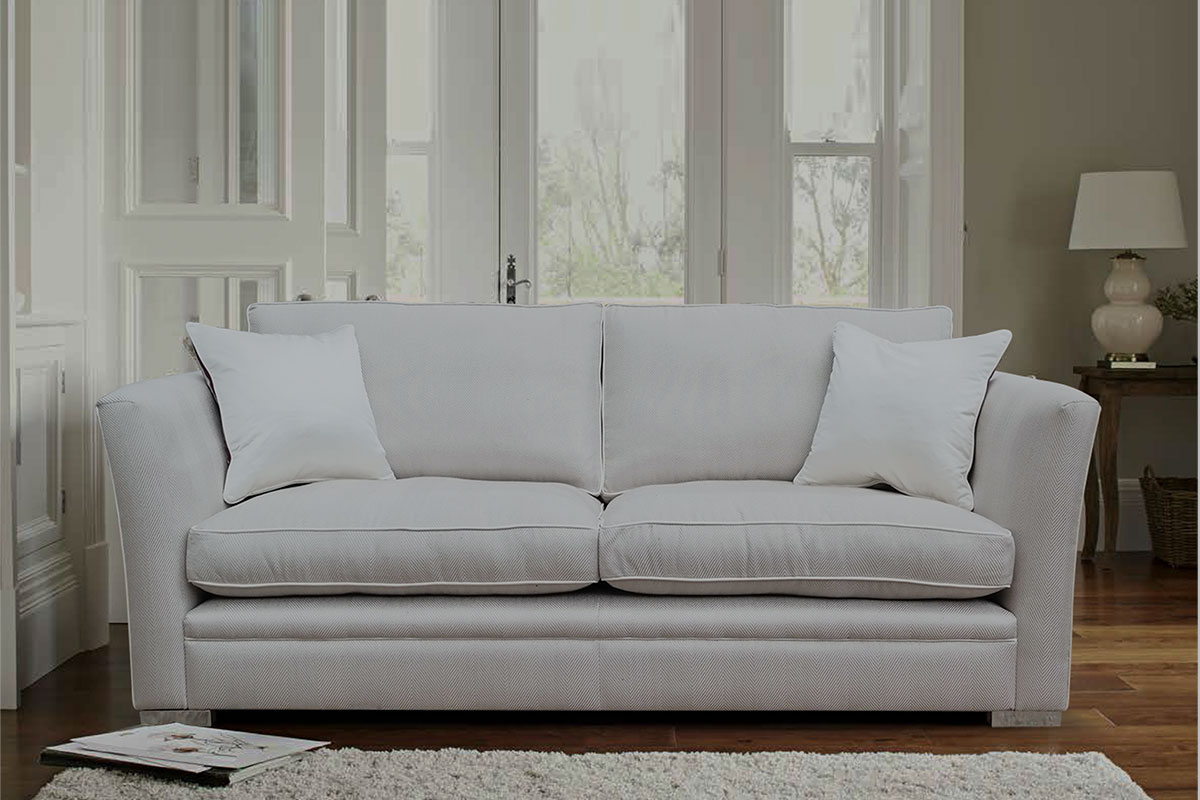
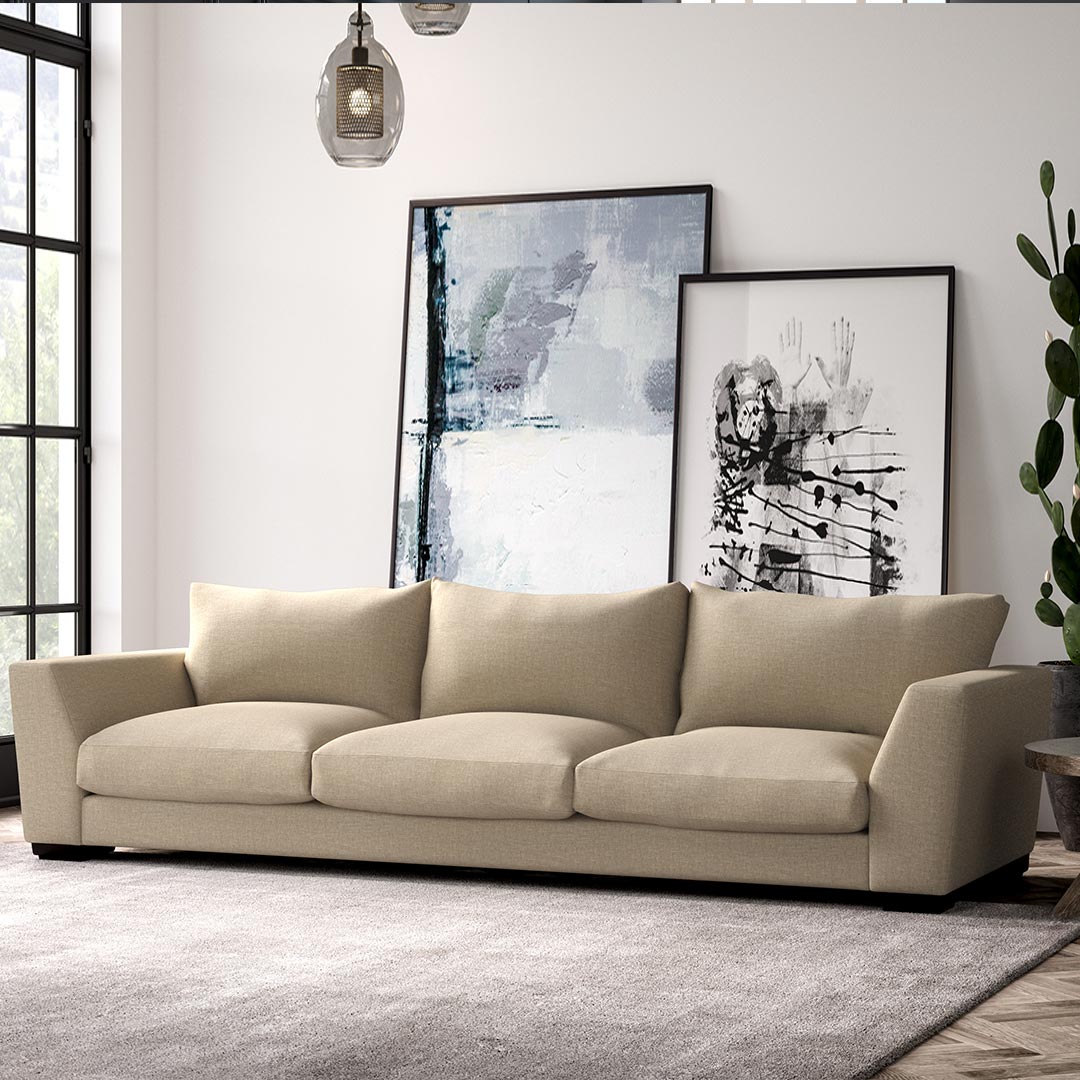
Luxury Handmade Sofas deserve particular attention because their quality depends on several details, from the way the frame is assembled to the finish of the upholstery. Handmade construction can allow greater attention to shape, proportion and finishing, but the term alone does not guarantee durability or comfort. You should assess the materials, workmanship, seat support and practical features before you make a decision. These checks will help you choose a sofa that feels as good to use as it looks in your home.
Check the Strength and Construction of the Frame
The frame forms the foundation of a sofa, so its construction deserves close attention. A beautiful exterior cannot make up for a weak internal structure, especially when the sofa will support several people throughout the day. Look for a solid, well assembled frame with firm joints and a stable base. Ask about the materials used and whether the frame has reinforcement at key stress points, such as the corners and areas beneath the seats.
Hardwood frames can offer reliable support when the wood has been properly prepared and the joints are well made. However, the type of wood alone does not determine quality. Construction methods, moisture control, joint strength and overall design also affect how well the frame performs over time. A well built frame should feel stable when you sit down or shift your weight, without obvious creaking, twisting or movement.
You should also ask about the frame warranty and what it covers. Some warranties cover structural defects but exclude damage caused by misuse, excessive weight or normal wear. Clear information about the frame helps you assess the long term value of the sofa rather than relying solely on its appearance or price. If the seller cannot explain the frame materials or construction methods, consider this a reason to ask more questions before you buy.
Assess the Comfort of the Seat Cushions
Seat cushions have a direct effect on how a sofa feels during everyday use. Some cushions feel soft at first but lose their shape after repeated use, while others feel too firm for people who prefer a relaxed seat. The right choice depends on your preferred sitting position, how long you usually spend on the sofa and whether several people with different comfort preferences will use it.
Ask about the cushion filling, foam density and internal structure. High quality foam can provide consistent support, while feather or fibre fillings can create a softer, more relaxed feel. Some sofas use a combination of materials to balance support and softness. No single filling suits everyone, so it is worth sitting on the sofa for several minutes rather than judging comfort from a quick test.
Pay attention to how easily the cushions recover after use. When you stand up, the seat should return towards its original shape rather than remain deeply compressed. Removable cushions can also make maintenance easier because you may rotate or reposition them to help distribute wear. Before purchase, check whether replacement cushions are available and whether the covers can be removed safely for cleaning.
Examine the Upholstery Material
Upholstery affects the sofa’s appearance, comfort, cleaning needs and resistance to everyday wear. Velvet can give a room a rich, textured finish, while linen and cotton blends may suit interiors with a more relaxed character. Leather offers a distinct surface that can develop changes in appearance over time. Each option has different care requirements, so the best material depends on your household and how you intend to use the sofa.
Run your hand across the fabric and inspect its surface under good lighting. Look for an even texture, consistent colour and neat finishing around seams and corners. If fabric samples are available, compare them with the colours and materials already present in your room. A sample can also help you assess the texture at home, where natural and artificial lighting may make the upholstery look different from what you saw in a showroom.
Consider your daily routine before selecting a delicate fabric. Homes with children, pets or frequent guests may benefit from upholstery that handles regular use and allows straightforward cleaning. A formal sitting room used occasionally may suit a more delicate material. Ask whether the fabric has a recognised abrasion rating, what cleaning methods are suitable and whether professional care is necessary for stains.
Inspect the Stitching and Finishing Details
The finer details can reveal a great deal about the workmanship behind a sofa. Examine the seams along the seat cushions, arms, backrest and lower edges. Stitches should appear neat and consistent, with no loose threads, uneven gaps or sections where the fabric pulls awkwardly. If the sofa has patterned upholstery, check whether the pattern aligns well across cushions and visible seams.
Pay close attention to the corners and curved sections. These areas can require greater skill because the fabric must follow the sofa’s shape without excessive folds or tension. Buttons, piping, pleats and decorative trims should also appear secure and evenly placed. These features may contribute to the design, but they should not distract from basic construction quality.
Handmade production can allow closer control over finishing, although workmanship varies between makers. Ask which parts of the sofa are crafted by hand and which are produced with machinery. The purpose is not to assume that handwork always means superior quality, but to understand what you are paying for. Consistent finishing, sound construction and careful upholstery work are more meaningful indicators than the handmade label alone.
Choose a Size That Fits Your Room
Even a well made luxury sofa can feel unsuitable if its size overwhelms the room or leaves too little space for movement. Measure the intended area before you browse different designs. Check the sofa’s full width, depth and height, then compare these measurements with the available floor space. Remember to account for side tables, lamps, walkways and other furniture rather than measuring only the empty area where the sofa will stand.
Seat depth is especially important because it affects your posture and comfort. A deep seat may suit people who enjoy lounging or sitting with their legs tucked up, while a shallower seat can feel more practical for upright conversation. Back height and arm shape also influence how the sofa fits into a room. Broad arms, tall backs and thick cushions can make a design appear larger than its stated width suggests.
Measure doorways, hallways, staircases and any narrow turns along the delivery route. A sofa may fit the living room perfectly but still prove difficult to bring into the property. For larger designs, confirm whether the sofa can be delivered in sections or whether its legs and other parts can be removed for access. These checks can prevent delivery complications and unexpected extra costs.
Match the Design to Your Interior
A luxury sofa should complement the room rather than compete with every other feature. Consider your existing furniture, wall colours, flooring and decorative style before choosing the upholstery and shape. A streamlined sofa can suit a modern interior, while a curved silhouette or traditional detailing may feel more appropriate in a room with classic features. The most suitable design is one that works with the overall space and remains practical as your tastes change.
Colour deserves careful thought because a sofa is often one of the largest visual elements in a living room. Neutral shades can offer flexibility if you regularly change cushions, rugs or wall decor. Richer colours can create a strong focal point, but you should view fabric samples beside your existing furnishings before making a final choice. Check them in daylight as well as under your usual evening lighting.
The legs, arms and back design also affect the final appearance. Exposed wooden legs may create a lighter look, while a low base can give the sofa a grounded appearance. Curved arms, deep seats and sculpted backs can add character, but consider how these features affect comfort and available space. A design that looks striking on its own should still feel natural within your home.
Check the Springs and Seat Support
The support system beneath the cushions is another important part of sofa construction. Depending on the design, the seat may use springs, webbing or another supportive structure. Each system can perform well when correctly selected and installed, but poor support may lead to uneven seating, sagging or a less comfortable feel over time. Ask what sits beneath the cushions and whether the design allows for repair if the support weakens.
Sit in different places along the sofa rather than testing only one seat. Notice whether the support feels consistent across the full width and whether any section dips more than another. Listen for unusual creaking and pay attention to movement beneath your weight. These checks cannot predict every future problem, but they can help identify obvious weaknesses before purchase.
Seat support should also suit the intended use. A sofa for occasional formal visits may have different comfort priorities from one used every evening by a family. If you prefer to stretch out or lie down, check that the cushion arrangement and support remain comfortable in those positions. The overall system should provide a balance of comfort, stability and durability that suits your routine.
Review the Backrest and Armrest Design
The backrest affects how well a sofa supports your body during long periods of sitting. Some designs provide firm, upright support, while others use softer cushions that encourage a relaxed posture. Your preference may depend on whether you use the sofa mainly for conversation, reading, watching television or resting. Try the sofa in the same position you would normally adopt at home.
Check the height and angle of the backrest, along with the placement of any loose back cushions. A low back can keep a room feeling open, but it may offer less support around the shoulders. A taller back may provide a more supported sitting position, although it can create a heavier visual appearance. Make sure the design feels comfortable for the people who will use it most often.
Armrests deserve the same attention. Broad arms can provide a useful surface for resting your arms, but they may reduce the usable seating width. Narrow or curved arms can create more room for sitting within the same overall sofa width. Consider the arm height and firmness as well, particularly if you sometimes rest your head or use the arm as support when reclining.
Ask About Customisation Options
One advantage associated with handmade furniture is the potential for greater choice in dimensions, upholstery and finishing details. Some makers offer different fabric colours, cushion fillings, leg finishes or arm styles. Others work with a fixed collection and allow only limited changes. Confirm the available options before you settle on a design, especially if the sofa needs to fit an unusual room layout or match specific interior details.
Custom dimensions can be useful when a standard sofa is too deep, too wide or too low for your space. However, a change to the measurements may affect the proportions and feel of the finished piece. Discuss your room dimensions and comfort preferences with the maker so that adjustments serve a practical purpose. Where possible, review a drawing, specification sheet or fabric sample before production begins.
You should also confirm the details in writing. Ask for the agreed measurements, fabric, colour, cushion type, leg finish and other selected features to appear on the order. Handmade and made to order items may have different cancellation or return terms from ready made furniture. Clear agreement at the start helps prevent misunderstandings and gives you a reliable record of what you expect to receive.
Understand the Care and Maintenance Requirements
The upkeep required by a sofa can affect how enjoyable it remains after several years. Some upholstery types respond well to regular vacuuming and prompt attention to spills, while others need specialised cleaning. Ask for care instructions that match the exact fabric or leather rather than relying on general advice. The wrong cleaning product or method can damage the surface, change the colour or leave marks that are difficult to remove.
Cushion rotation and regular cleaning can help the sofa maintain a more even appearance. If the seat cushions are reversible, check whether the design allows you to turn them over. Remove dust from seams and corners with a suitable attachment, and follow the maker’s advice for cleaning removable covers. Avoid assuming that a cover is machine washable simply because it has a zip.
Think about where the sofa will sit in the room as well. Direct sunlight may fade some upholstery, while placing furniture very close to a heat source can affect certain materials. Pets, food and frequent use may also influence the level of care required. A sofa that fits your lifestyle is more likely to remain attractive without demanding more maintenance than you can reasonably provide.
Compare Price With Long Term Value
A high price does not automatically mean a sofa is well made. Costs may reflect material quality, skilled labour, design complexity, custom dimensions and the time required to produce the piece. However, two sofas at similar prices can have very different frames, support systems, cushion fillings and warranties. Compare what each option includes instead of judging value by the price tag alone.
When assessing luxury handmade sofas, ask for a clear breakdown of the important specifications. Find out which materials form the frame, what type of support sits beneath the seat, how the cushions are filled and which upholstery has been selected. Check whether the quoted price includes delivery, assembly or any custom work. These details can help you make a more useful comparison between different designs.
It is also worth considering repair and replacement options. A sofa may offer better long term value if its cushions can be replaced, the frame can be repaired and the upholstery can receive appropriate care. A design with easily replaceable parts may remain useful even when certain elements show wear. Think about the cost of ownership over several years rather than treating the initial price as the only expense.
Read the Warranty and Delivery Terms
Before you place an order, review the warranty carefully. Check how long the frame, cushions and upholstery are covered, since different parts may have different terms. Find out whether the warranty applies to manufacturing defects, structural failure or other specific issues. Normal wear, stains, fading and damage from incorrect cleaning may be excluded, so make sure you know where the limits lie.
Delivery terms deserve equal attention, especially for a large or custom made sofa. Confirm the expected delivery period, the arrangements for access to your property and whether assembly is included. For made to order pieces, ask when production begins and what happens if the agreed delivery period changes. Clear information helps you plan the room and reduces the risk of unexpected charges.
Inspect the sofa when it arrives and compare it with the agreed specifications. Check the fabric, colour, dimensions, stitching and overall condition before removing packaging or discarding delivery documents. If you notice damage or a significant difference from the order, record it and contact the seller promptly. Keep your receipt, order details and warranty information in a safe place for future reference.
Common Mistakes to Avoid Before Purchase
One common mistake is choosing a sofa based only on photographs. Images can show the design and colour, but they cannot tell you how the cushions feel, how firm the support is or whether the seat depth suits your body. Whenever possible, test the sofa in person. If that is not possible, request detailed dimensions, close up images of the upholstery and clear information about the internal construction.
Another mistake is assuming that handmade furniture will always last longer than mass produced furniture. The outcome depends on the materials, construction standards, finishing and care the sofa receives. A well built factory made sofa may outperform a poorly assembled handmade piece. Focus on evidence of quality rather than relying on the production method as the only sign of value.
It is also easy to overlook the cost of care and delivery. Delicate upholstery may require professional cleaning, while large designs can involve extra delivery arrangements. Some custom orders may have limited return options once production begins. Review these practical matters alongside comfort, style and construction so that your purchase does not create avoidable difficulties later.
Final Checks
Before you make a final decision, review the sofa as a complete piece of furniture. The frame should feel stable, the cushions should suit your comfort preferences and the upholstery should match your routine. Measurements must work for both the living room and the delivery route, while the design should complement your other furniture. The warranty, maintenance instructions and order details should also be clear.
The right Luxury Handmade Sofas combine thoughtful design with sound construction and practical comfort. Handmade details can add character, but lasting satisfaction depends on the quality of the frame, support system, cushions and upholstery. Take time to test the seating, ask direct questions and compare the specifications instead of relying on appearance alone. With these checks in place, you can select a luxury sofa that feels comfortable, fits your home and offers better value over years of use.