Style
How Table Shape Can Influence the Look of Your Dining Space
Aug
A dining room is more than a place where meals are served. It is often where families catch up after a busy day, friends gather for long conversations, and special occasions become lasting memories. Because the dining table sits at the centre of these moments, its shape can have a surprisingly strong effect on how the entire room looks and feels.
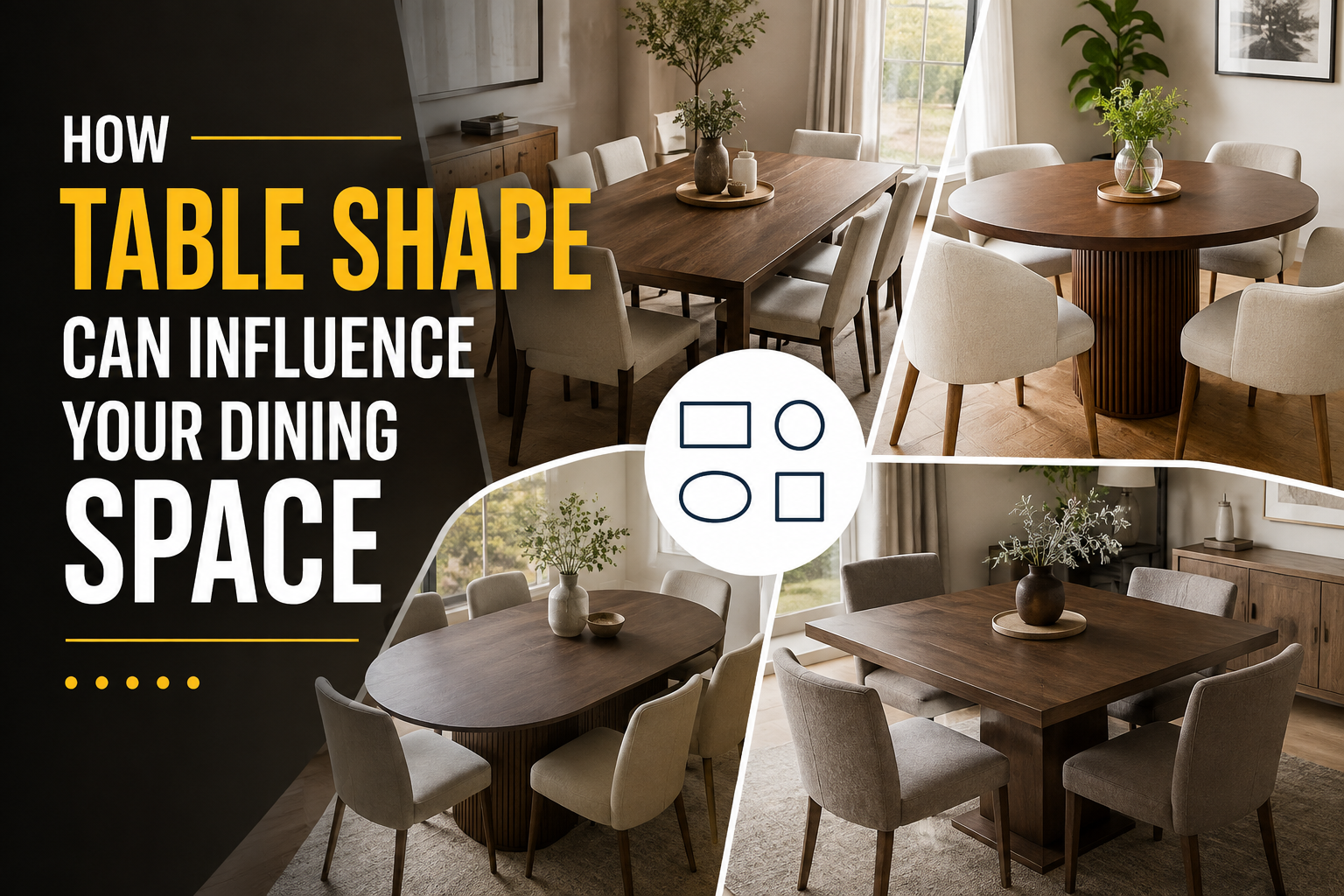
When choosing a table, people often focus on size, colour and material first. These are certainly important, but shape deserves just as much attention. A rectangular table can create a traditional and structured appearance, while a round design can make a room feel more relaxed and social. Oval tables can soften a larger space, while square options can work beautifully in compact dining areas.
The right dining tables can therefore do much more than provide somewhere to eat. Their shape can influence movement, seating arrangements, visual balance and even how spacious the room feels. Understanding these differences makes it easier to choose a design that complements both your home and the way you use your dining area.
Why Table Shape Matters More Than You Might Think
Furniture has a major role in defining the visual flow of an interior. A table is usually one of the largest pieces in a dining room, so its outline naturally becomes part of the room’s overall design.
Straight lines tend to create a more organised and formal appearance. Curved edges, on the other hand, can introduce softness and make the space feel less rigid. This difference may seem subtle when looking at a table on its own, but it becomes much more noticeable once the furniture is placed within the room.
The shape can also affect how people interact. A long rectangular table encourages a more structured seating arrangement, while a round table allows everyone to face towards the centre more naturally. This means the best shape is not simply a matter of appearance. It should also reflect how you live and entertain.
Rectangular Tables for a Classic and Structured Look
Rectangular tables remain a popular choice because they suit a wide range of dining rooms. Their long, straight profile works particularly well in rooms that are longer than they are wide.
One of the biggest advantages is the amount of seating they can provide. A rectangular table can accommodate several people along its longer sides, making it practical for family meals and larger gatherings. It also creates a clear visual direction, which can help a room feel organised.
This shape works especially well with traditional interiors, although it can also look excellent in contemporary settings. A simple rectangular design with clean lines can give a modern room a refined appearance, while a more detailed wooden design can add warmth and character to a classic interior.
Another benefit is flexibility when positioning the table. It can sit centrally within the room or closer to one side when space is limited. This makes rectangular designs useful for both dedicated dining rooms and open-plan layouts.
Round Tables for a More Social Atmosphere
Round tables bring a different energy into a dining room. Without corners separating people, they naturally encourage conversation and make the seating arrangement feel more connected.
This can be particularly useful for households that enjoy hosting guests. Everyone can see one another easily, creating a more relaxed setting for meals and conversations.
Round designs can also work well in smaller rooms. Their curved outline can make movement around the table feel easier, especially where sharp corners might otherwise create awkward walking routes. They can also introduce a softer visual element when the rest of the room contains many straight lines.
However, size still matters. A very large round table can take up considerable floor space, so it is important to consider the room’s dimensions before choosing one. The aim should be to leave enough space for chairs to move comfortably without making the room feel crowded.
Oval Tables Combine Softness With Practicality
An oval table offers an interesting middle ground between rectangular and round designs. It retains the elongated shape of a rectangular table while introducing curved ends.
This combination can be useful when you want generous seating but prefer a softer appearance. The curved ends remove some of the visual harshness associated with straight corners, allowing the table to feel more approachable.
Oval tables can also help a dining room appear less boxy. This can be especially useful when the room already has strong architectural lines, such as rectangular windows, doors or built-in storage.
From a practical perspective, an oval table can provide plenty of usable surface area while still allowing people seated at opposite ends to feel relatively close to the centre of the conversation.
Square Tables for Balanced Dining Areas
Square tables are often overlooked, but they can be a strong choice for certain spaces. Their symmetrical shape creates a sense of balance and can work particularly well in square or compact dining rooms.
Because each side has a similar visual weight, square tables can make a room feel neat and intentional. They are also suitable for smaller households where a large rectangular table would feel unnecessary.
The main consideration is scale. A small square table can be ideal for everyday meals, but larger square designs may require considerable floor space. In bigger dining rooms, a large square table can become a strong focal point and create a more intimate arrangement than a long rectangular design.
Matching the Table Shape to Your Room
The proportions of the room should be one of the first things you consider. A beautiful table can still look out of place if its shape does not work with the available space.
In a long, narrow room, a rectangular or oval table may follow the natural proportions of the space. A round table can work better in a room with more balanced dimensions because its shape does not emphasise one direction.
For open-plan homes, the table can also help define the dining zone. A strong rectangular silhouette may create a clear visual boundary between the kitchen and dining area. A round design can make the transition feel softer and less formal.
Before buying anything, measure the room and think about how people will move around it. Allow enough room for chairs to be pulled out comfortably and for people to walk behind seated guests.
Think About the Number of People You Usually Host
Your usual dining habits should influence your choice just as much as the room itself.
If you regularly host extended family or dinner parties, a longer table may provide the flexibility you need. Rectangular and oval designs are particularly useful when you want several seating positions.
For smaller households, a round or square table can create a more intimate atmosphere without making the room feel dominated by furniture.
It is also worth thinking about occasional needs. You may not need a large table every day, but if you regularly host guests, an extendable design can provide extra seating when required while keeping the everyday footprint manageable.
How Shape Affects the Feeling of Space
The visual weight of furniture can change how spacious a room appears. This is why table shape deserves consideration when designing a smaller dining area.
Rounded edges can make furniture appear less imposing because the eye moves smoothly around the silhouette. This can create a softer and more open impression.
Rectangular designs, meanwhile, provide stronger horizontal lines. These can make a room feel longer and more structured. In the right setting, this is an advantage. In a very narrow room, however, an oversized rectangular table may emphasise the lack of width.
The goal is not to make every dining room look bigger. Instead, it is about choosing a shape that works naturally with the room’s existing proportions.
Creating Balance With Dining Furniture
Once the table has been selected, the surrounding pieces should support its shape rather than compete with it. This is where carefully considered dining furniture can make a noticeable difference.
For example, a rectangular table can be paired with straight-backed chairs and a long sideboard to reinforce a structured appearance. If the aim is to soften the room, upholstered chairs with curved details can create a more balanced combination.
With a round table, curved chairs, circular lighting or softer decorative accessories can continue the visual theme. You do not need every piece to have exactly the same shape, though. Mixing straight and curved forms can actually make an interior feel more interesting.
The key is to create repetition without making everything look overly matched.
Consider the Table’s Relationship With the Chairs
Chairs are an important part of how the table shape is perceived. Their size, height and silhouette can either complement or overwhelm the table.
A large rectangular table usually benefits from chairs that have enough visual presence to match its scale. Very small chairs can make the table look disproportionately heavy.
Round tables provide more freedom because their central shape creates a natural gathering point. Chairs with curved backs can enhance this effect, while simple straight-backed designs can create an attractive contrast.
The number of chairs matters too. Filling every possible position can make a table appear crowded. Leaving sufficient breathing room around each chair helps the entire arrangement feel more comfortable.
Use Lighting to Highlight the Shape
Lighting can reinforce the visual character of your dining table. A pendant light positioned above a rectangular table can emphasise its length, while a central pendant above a round table can draw attention to its balanced shape.
For long tables, multiple smaller lights can create an even distribution of illumination. For round or square tables, a central fitting may provide a stronger focal point.
The height of the light is also important. It should provide useful illumination without obstructing people’s view across the table.
Natural light should be considered as well. Positioning the table where daylight can reach it may make the room feel brighter and more inviting throughout the day.
Materials Can Change How Shape Is Perceived
The same table shape can look completely different depending on its material and finish.
Natural wood can make a table feel warm and substantial. A simple rectangular wooden design may create a traditional atmosphere, while a cleaner finish can give it a more contemporary appearance.
Glass can make a table appear visually lighter because the surface allows more of the surrounding space to remain visible. This can be useful when trying to avoid a heavy appearance in a smaller room.
Other finishes can create different effects, but the important thing is to consider the material alongside the shape. A bulky material combined with a heavy silhouette may dominate the room, while a lighter finish can make a larger table feel less imposing.
Choosing a Shape for Everyday Life
Style matters, but practicality should never be pushed aside. Your dining table needs to work with your daily routine.
Think about whether the table will mainly be used for quick breakfasts, family dinners, working from home, entertaining guests or a mixture of activities. If the table is going to serve several purposes, surface area and accessibility become especially important.
Families with children may prefer designs that make movement around the table easier. People who frequently entertain may prioritise seating capacity. Smaller households might value a compact design that leaves more open floor space.
There is no universally perfect table shape. The best option is the one that fits your room and your lifestyle without creating unnecessary compromises.
Don’t Forget the Rest of the Room
A table should not be selected in isolation. Look at the dining room as a complete composition.
Consider the flooring, wall colour, windows, lighting, storage and nearby furniture. If the room already contains many rectangular elements, such as cabinets and shelving, a round or oval table could introduce welcome contrast.
Likewise, if the room contains several curved features, a rectangular table may provide the structure needed to keep the design visually grounded.
This balance is often what separates a room that simply contains furniture from one that feels thoughtfully designed.
Measuring Before You Buy
One of the simplest ways to avoid disappointment is to measure carefully before making a decision. Measure the available floor area and mark the approximate footprint of the table using masking tape or temporary furniture. This can give you a much better idea of how the shape will work than measurements on a product page alone.
Remember to account for the chairs. A table may technically fit into the room, but if there is not enough space to pull the chairs back comfortably, the arrangement will quickly become frustrating.
Doorways and walkways should also remain clear. Think about how people enter and leave the dining room rather than only looking at the table from one fixed position.
A Table Should Feel Right, Not Just Look Right
It is easy to choose furniture based purely on photographs. However, a dining table is something you interact with regularly, so comfort and usability matter just as much as appearance.
The height should work with the chairs, the surface should provide enough space for everyday needs, and the shape should allow people to sit comfortably without feeling cramped.
If possible, seeing furniture in person can help you understand its scale and proportions more accurately. You can also get a better sense of the materials, finishes and construction quality. A well-chosen table should feel like a natural part of the home rather than something that has simply been placed in an empty room.
How to Make a Dining Table the Focal Point
If you want the table to become the centrepiece of your dining room, give it enough visual breathing space. Avoid surrounding it with too many competing decorative pieces. Instead, use lighting, artwork or a carefully selected centrepiece to draw attention towards it.
The shape can help create this focal point naturally. A distinctive oval table can soften a traditional room, while a bold rectangular design can provide a strong architectural line.
Keep the surrounding furniture relatively balanced so the eye naturally settles on the table without the room feeling cluttered.
Choosing Quality Over Short-Term Trends
Interior trends change, but a dining table is often expected to last for many years. Choosing a shape simply because it is currently fashionable may not be the best long-term decision.
Instead, consider what will continue to work with your home as your needs change. A timeless shape, durable material and comfortable proportions can remain useful even when you update other parts of the room.
This does not mean choosing something boring. You can still select distinctive finishes, interesting details or contemporary styling while keeping the overall design practical.
For homeowners looking for carefully made furniture, Evans of High Wycombe has a dedicated dining room collection that includes tables alongside other dining pieces. The business describes itself as a local furniture maker with a history dating back to 1958, making it worth exploring if you are considering furniture for a more considered dining space.
Final Thoughts
The shape of a dining table can influence much more than seating capacity. It can affect how spacious the room feels, how people interact, how furniture is arranged and how the overall interior looks.
Rectangular tables bring structure and generous seating, round tables encourage conversation, oval designs combine softness with practicality, and square tables can create balance in compact or symmetrical spaces. None of these options is automatically better than the others. The right choice depends on your room, lifestyle and personal taste.
Before choosing a table, look beyond its appearance. Consider the proportions of your dining area, the number of people you usually host, the surrounding furniture, available walking space and the atmosphere you want to create.