Style
How to Choose Dining Chairs That Bring Comfort and Style to Your Dining Room
Aug
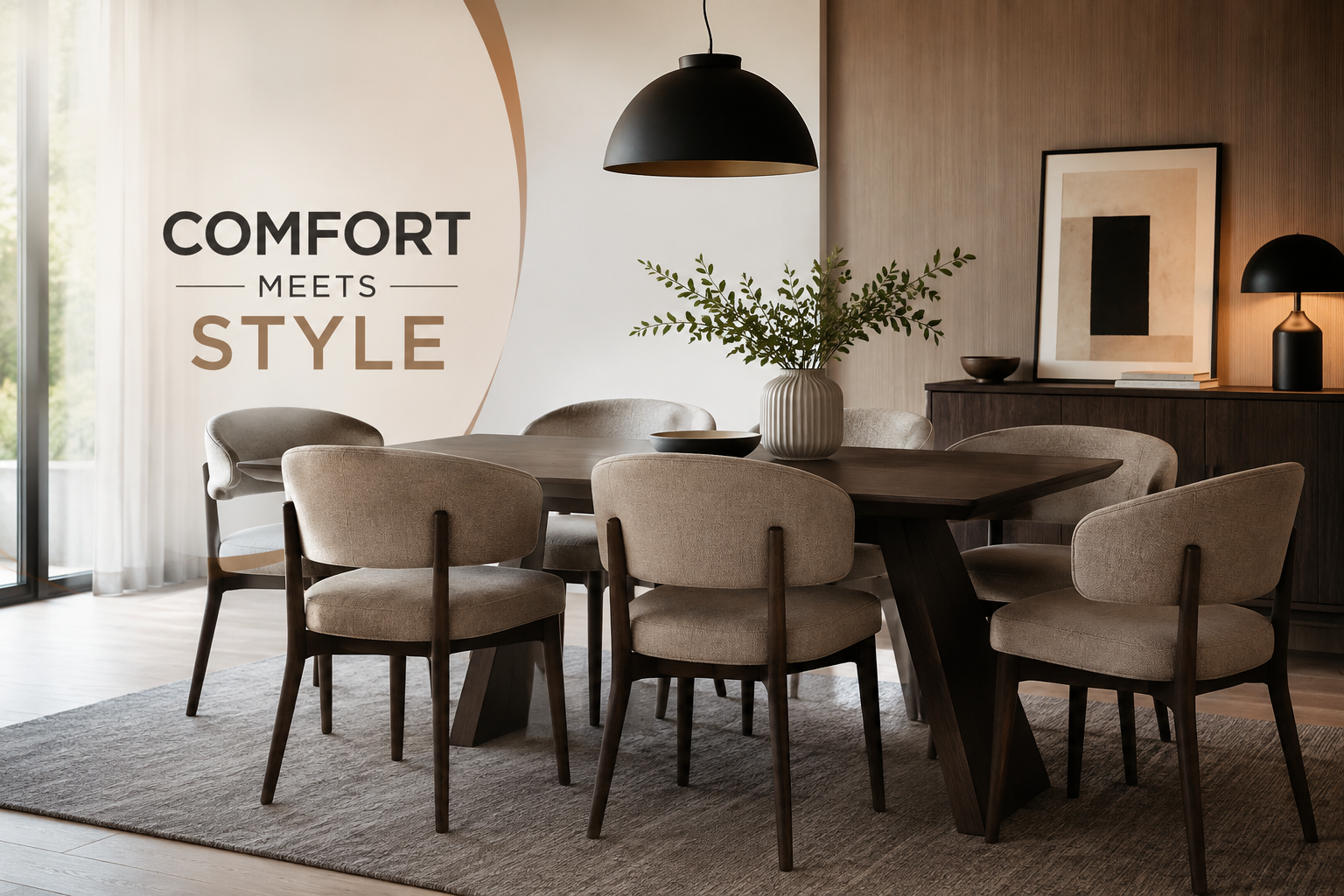
A dining room should feel welcoming, comfortable and well balanced. While the dining table often becomes the main focus, the chairs around it have just as much influence on how the room looks and feels. The right chairs can make everyday meals more enjoyable, provide comfortable seating for guests and add character to the overall interior. On the other hand, chairs that are poorly sized or uncomfortable can make even a beautiful dining room feel awkward.
Choosing dining chairs is therefore about much more than finding a design that looks attractive. You need to consider the size of the room, the height of the table, the amount of available space, the materials, the shape and the way the chairs will be used. Comfort should also remain a priority, especially in homes where the dining table is used for long family meals, conversations, homework or entertaining.
With so many styles available, it can be difficult to know where to begin. A better approach is to look at the practical features first and then choose a design that suits your taste. This makes it easier to create a dining area that looks attractive without sacrificing everyday comfort.
Why Dining Chairs Matter More Than You Might Think
Dining chairs are used every day, which means small design differences can have a noticeable effect over time. A chair with supportive cushioning and a sensible back height can make sitting at the table much more pleasant. A chair that is too low, too narrow or too deep can quickly become uncomfortable.
They also have a strong visual role. Chairs fill a significant amount of space around a dining table, so their shape, colour and material can influence the character of the entire room. A simple wooden style can create a warm and traditional atmosphere, while an upholstered chair can introduce softness and a more relaxed feel.
The best choice is usually one that combines appearance with practical use. A chair should complement the table, fit comfortably within the available space and feel good when occupied.
Start With the Dining Table
Before buying chairs, take a close look at your existing dining table. The proportions between the table and chairs need to work together. A large, substantial table may look unbalanced when surrounded by very slim chairs, while a delicate table can be overwhelmed by oversized seating.
Table height is particularly important. There needs to be enough room between the chair seat and the underside of the tabletop for comfortable leg movement. Armchairs require even more consideration because their arms must be able to fit comfortably around or beneath the table.
The table shape can also influence the best chair choice. Rectangular tables often offer flexibility for different chair arrangements, while round and oval tables can benefit from chairs with softer curves that follow the overall shape. The aim is not to make every element identical but to create a sense of proportion.
Think About How the Room Is Used
Your lifestyle should have a major influence on your seating choice. A dining area used only for quick meals may require different features from one that becomes the centre of family life.
For households that spend a lot of time around the dining table, comfort becomes especially important. Supportive backs, padded seats and carefully considered proportions can help people remain comfortable for longer periods. This is particularly useful when meals are followed by conversation rather than everyone immediately leaving the table.
In a busy family home, practicality also matters. Materials that are easy to maintain can make daily life simpler. In a more formal dining room, you may be able to focus more heavily on decorative details and upholstery.
Choose the Right Chair Size
Size is one of the most overlooked parts of choosing dining seating. A chair may look perfect in a showroom or on a product page, but it still needs to work within your own room.
Measure the width of the table and the available floor space around it. Remember that people need room to pull a chair out and sit down comfortably. If chairs are placed too close together, the dining area can feel cramped even when the table itself fits.
Chair depth matters too. Deep chairs may provide excellent support but require more floor space. Slimmer designs may be better suited to compact dining areas. Product dimensions can help you compare options before making a decision.
For example, the Manor House Dining Chair listed by Evans of High Wycombe measures 62cm wide, 62cm deep and 80cm high, while the Genesis Dining Chair is listed at 50cm wide, 64cm deep and 75cm high. These differences may seem small, but they can affect how many chairs comfortably fit around a table.
Decide Between Upholstered and Wooden Designs
Material has a major effect on both appearance and comfort. Wooden chairs can provide a natural, timeless appearance and work particularly well with traditional or rustic dining settings. They can also bring warmth into rooms that contain plenty of hard surfaces.
Upholstered chairs offer another level of softness. A padded seat and supportive back can make longer meals more comfortable, while fabric introduces texture and visual depth. Upholstery can also help create a more refined or relaxed atmosphere depending on the shape and finish.
There is no single material that is right for every room. The better question is which option works with your lifestyle. Think about how often the chairs will be used, who will use them and how much maintenance you are prepared to provide.
Consider Chair Back Height
The height and shape of the chair back can change both comfort and appearance. A higher back may provide more support and create a stronger visual presence around a dining table. Lower backs often have a lighter appearance and can make a room feel more open.
Your choice can also depend on how formal the dining space is. A tall, upholstered back can introduce a sense of occasion, while a lower design may feel more casual and contemporary.
The Genesis Dining Chair, for instance, combines a low back with wooden support, arms and a padded upholstered seat, creating a balance between structure and softness.
Make Comfort a Priority
Style can attract attention, but comfort determines whether you actually enjoy using the chairs. Before making a final decision, think about how the seat feels and how the back supports you.
Seat padding can make a noticeable difference, particularly for chairs that will be used frequently. The shape of the seat should also allow a natural sitting position rather than forcing you forward or placing pressure in uncomfortable areas.
Armrests can provide additional support but need to be checked carefully against the table. They should not prevent the chair from sliding into position or create an awkward posture.
Comfort is especially important when the dining room is also a social space. People tend to stay longer when the seating feels inviting, making comfortable chairs an important part of entertaining.
Match the Chairs With the Room’s Style
The dining table and chairs do not need to be an exact matching set. In fact, combining complementary styles can often create a more interesting and personal interior.
For a classic dining room, consider chairs with traditional shapes, natural finishes or subtle upholstery. A contemporary room may benefit from clean lines, curved silhouettes or modern metal details. A relaxed interior could use softer materials and neutral tones.
The important thing is to create a visual relationship between the furniture pieces. Look for shared elements such as colour, material, shape or finish. This helps different pieces feel connected without making the room look overly coordinated.
A collection such as the dining selection available through Evans of High Wycombe demonstrates the variety available, with options ranging from upholstered and painted styles to different chair shapes and finishes.
Use Colour Carefully
Colour can completely change the feel of dining seating. Neutral shades are usually easier to incorporate because they work with a wide range of tables and room finishes. Grey, taupe and other soft tones can provide a calm background that allows other furniture or accessories to stand out.
Brighter colours can be used to make the chairs a feature. This can be particularly effective in a simple room where the seating provides a visual focal point.
There is no need to choose only one colour, either. Some dining chairs can be mixed in different shades to create a more relaxed and individual look. However, the colours should still work together and relate to other elements in the room.
One contemporary chair collection featured on the site includes several colour choices, showing how changing the upholstery tone can alter the overall character of the same design.
Think About Maintenance Before Buying
Dining furniture naturally encounters spills, crumbs and everyday wear. For that reason, maintenance should be considered before choosing a chair based only on appearance.
Think about the fabric or finish and how it will cope with your household. If children regularly use the dining area, practical materials may be more suitable than delicate finishes. In a more formal room that is used occasionally, appearance might take a higher priority.
It is also worth considering the chair legs and structure. Designs with uncomplicated frames can be easier to keep clean, while decorative details may require more attention.
Good maintenance habits can help preserve the appearance of your furniture for longer. Regular dusting, prompt attention to spills and following the care guidance provided for the specific material can all make a difference.
Swivel Chairs Can Add Flexibility
A swivel chair can bring a different experience to the dining room. Instead of remaining fixed in one direction, the seat allows the user to turn naturally, which can make conversations easier when several people are seated around the table.
This type of design can work particularly well in modern dining and open-plan spaces. The Nova Dining Chair, for example, features a swivel function and a sunray-style base, combining movement with a contemporary appearance. The chair is available in several colour options and can be used with different dining settings.
Swivel seating is not essential for every home, but it can be a useful feature when flexibility and sociability are important.
Don’t Forget the Overall Dining Layout
Even the best chairs can look out of place when the dining room layout is too crowded. Leave enough space for people to move comfortably around the table, especially in areas that connect to kitchens, living rooms or entrances.
Consider where doors open, where people walk and how the chairs will be pulled back when someone sits down. A dining room should feel easy to move through rather than forcing everyone to squeeze around the furniture.
If the room is compact, slimmer chairs may help preserve circulation space. In a larger room, wider upholstered chairs can create a more substantial and comfortable arrangement.
Mixing Chairs Can Create Personality
Matching chairs are not the only way to create a polished dining area. Mixing styles can make the room feel more personal, especially when there is a consistent connection between the pieces.
You could use the same chair design in different colours, or choose chairs with different silhouettes but similar materials. Another option is to use statement chairs at the ends of a rectangular table while keeping simpler seating along the sides.
The key is to make the arrangement appear intentional. Randomly combining unrelated styles may make the room feel cluttered, while carefully selected contrasts can create a sophisticated result.
Quality Matters for Long-Term Value
Dining seating is something you use repeatedly, so quality should be considered an investment rather than an afterthought. A well-made chair should feel stable, comfortable and suited to regular use.
Look at construction details, materials, cushioning and the overall finish. Quality is not only about appearance. It is about how well a piece continues to perform after months and years of use.
This is particularly relevant when choosing handcrafted or bespoke furniture. Evans of High Wycombe has a long history of furniture making, dating back to 1958, and its workshop produces bespoke sofas and chairs with options that can be tailored to individual preferences. The company also provides dining furniture including tables, chairs, sideboards and display cabinets.
Why Dining Chairs Should Be Chosen With the Whole Room in Mind
It is easy to treat seating as a separate purchase, but the most successful dining rooms are designed as complete spaces. The chairs need to work with the table, flooring, lighting, wall colours and surrounding furniture.
Think about the atmosphere you want to create. If your dining room should feel warm and inviting, soft upholstery and natural materials may be suitable. For a modern and streamlined appearance, cleaner shapes and simple finishes may work better.
At the same time, do not sacrifice comfort just to achieve a certain look. A dining room is a functional part of the home, and beautiful furniture should still make everyday life easier.
How to Build a Balanced Dining Set
A balanced dining set does not necessarily mean buying everything from one collection. Instead, focus on proportions and visual relationships.
Start with the table and determine how many seats you realistically need. Then consider chair width, height and depth. Once those practical details are clear, choose the materials and colours that suit the room.
For a more coordinated look, repeat a finish or colour elsewhere in the space. For a more relaxed look, introduce contrast through the chair design or upholstery.
This approach helps create a dining area that looks considered rather than overly matched.
Why Seeing Furniture in Person Can Help
Online research is useful for comparing designs, measurements and features, but seeing furniture in person can make the final decision easier. You can assess the proportions more accurately and get a better idea of how the materials and colours look in real life.
You can also test the comfort of the seat and back, which is difficult to judge from photographs alone. This is especially useful when choosing furniture for a room that will be used every day.
Evans of High Wycombe has a showroom where customers can browse dining room furniture alongside other furniture collections, making it possible to consider different pieces together rather than choosing them in isolation.
Final Thoughts
Choosing the right dining chairs is about creating a balance between comfort, proportion, quality and visual appeal. The best chairs should fit naturally around the table, suit the size of the room and support the way your household actually uses the space.
Take time to measure before buying, consider the table height, think carefully about materials and choose a design that will remain comfortable beyond the first few meals. Colour, upholstery, back height and special features such as swivel movement can then be used to add personality.