Style
How to Decorate a Guest Bedroom
Aug
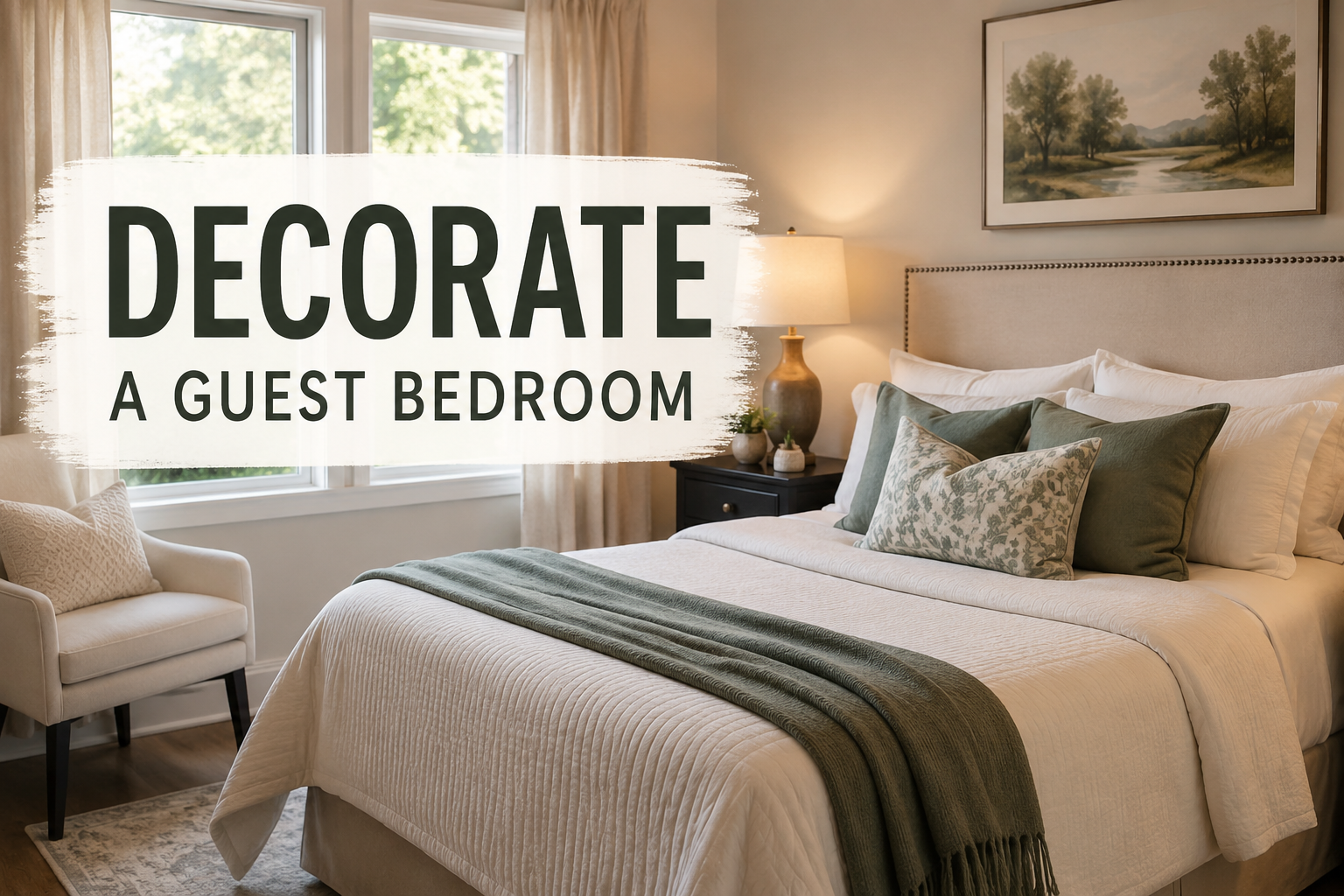
A guest bedroom should feel comfortable, calm and thoughtfully prepared without becoming so personal that visitors feel like they are sleeping in someone else’s private space. Knowing how to decorate a guest bedroom starts with choosing practical furniture, soothing colours and enough storage to make short or long stays feel easy.
A well planned room does not need to be oversized or filled with accessories. The right bed, useful bedside furniture, sensible storage and a few welcoming details can make a much bigger difference.
Evans of High Wycombe has a long history in furniture making, with the business operating since 1958 and offering a wide selection of bedroom furniture alongside living room and dining furniture. That makes furniture choice an important part of creating a guest room that looks considered while remaining practical for everyday use.
Start with the purpose of the room
Before choosing colours or decorative pieces, think about how the guest bedroom will actually be used. A spare bedroom can serve several purposes, especially in a family home. It may welcome visiting relatives, provide a comfortable place for friends to stay or occasionally work as a quiet reading room.
This matters because the room needs to work around real needs rather than simply look attractive in photographs. Guests usually need somewhere comfortable to sleep, somewhere to keep clothes, a surface beside the bed and enough open space to move around without feeling crowded.
Start by measuring the room and considering where the main furniture will sit. The position of the bed should leave sensible walking space around it, while wardrobes, chests of drawers and bedside tables should be positioned so doors and drawers can open properly.
A simple floor plan can prevent one of the most common decorating mistakes, which is buying furniture first and discovering later that the room feels cramped. Guest bedroom design works best when comfort and movement are considered before styling.
Choose a bed that makes comfort the priority
The bed is naturally the main feature of a guest bedroom, so it deserves more thought than almost any other piece of furniture. Style matters, but comfort should come first.
A sturdy bed frame can give the whole room a more finished appearance while providing dependable support for guests. Consider the size of the room before selecting the bed. A larger bed may feel luxurious, but it can dominate a smaller room and leave little usable space around it.
For a compact guest room, a well proportioned double bed can create a comfortable sleeping area without making the room feel overloaded. In a larger room, a bigger bed can become a strong focal point when balanced with suitable bedside furniture and storage.
The bed frame should also work with the wider bedroom furniture. A traditional wooden frame can suit a classic interior, while a cleaner contemporary design can work better in a modern guest bedroom.
Think about the mattress as part of the overall experience too. Guests may forgive a room that is not perfectly styled, but they are much less likely to appreciate uncomfortable sleeping arrangements.
Select bedroom furniture that gives guests useful storage
One of the easiest ways to make a guest room feel welcoming is to provide storage rather than expecting visitors to live from their suitcase.
A wardrobe gives guests somewhere to hang jackets, shirts and dresses, while a chest of drawers can hold folded clothing, accessories and smaller belongings. Even when visitors stay for only a few nights, having dedicated storage makes the room feel more considered.
Bedroom furniture should also be selected according to the available space. A tall chest can offer useful storage without taking up as much floor area as a wide unit. In a larger bedroom, a broader chest of drawers can provide both storage and a useful surface for a lamp, mirror or carefully chosen decorative item.
Evans of High Wycombe currently features bedroom furniture through its wider furniture collection, including clearance bedroom pieces such as wardrobes and chests of drawers. This gives homeowners different ways to approach storage while keeping the furniture suited to the overall style of the room.
The key is to avoid filling every available corner. Guests need storage, but they also need breathing room.
Make bedside furniture practical rather than decorative
A bedside table might seem like a small detail, but it can have a surprisingly large effect on guest comfort. A useful bedside table gives visitors somewhere to place a phone, reading glasses, a book, a bottle of water or personal belongings. Pairing the table with a suitable bedside lamp also creates softer lighting that is more relaxing than relying only on the main ceiling light.
Premium lamp tables can be a useful choice when you want bedside furniture to provide both practical surface space and a more refined finishing touch. The right table should complement the bed without taking over the room, particularly in a smaller guest bedroom.
Try to keep the bedside surface relatively clear. One lamp, a small decorative item and perhaps a book are usually enough. Too many objects can make the room feel cluttered before guests have even arrived.
The height of the bedside furniture should also work comfortably with the mattress. A table that sits considerably lower or higher than the bed can look awkward and be less convenient to use.
Pick a calming colour scheme
Guest bedrooms generally benefit from a colour palette that feels relaxed and easy to live with. Soft neutrals, warm whites, muted greens, gentle blues and understated earth tones can create a peaceful atmosphere without making the room feel bland.
This does not mean the room has to be completely neutral. A stronger colour can work well through an upholstered headboard, cushions, curtains, artwork or a feature wall.
The best approach is usually to choose one main colour direction and repeat it in subtle ways throughout the room. For example, warm beige walls could work with natural wood furniture, cream bedding and muted green accents.
Consider natural light too. A darker room may benefit from lighter wall colours and reflective surfaces, while a bright room can handle deeper tones without feeling enclosed.
The aim is not to follow every current interior trend. A guest bedroom should have enough personality to feel inviting while remaining timeless enough to stay appealing for years.
Use furniture to create balance in the room
Good guest bedroom design is often less about individual furniture pieces and more about how those pieces relate to each other.
A large bed beside a very small bedside table can make the furniture feel mismatched. Likewise, a heavy wardrobe beside delicate furniture may make the room look visually unbalanced.
Try to build a furniture arrangement that feels consistent in scale. If the bed is visually substantial, the surrounding pieces should have enough presence to balance it. In a smaller room, lighter looking furniture can help maintain a sense of openness.
Wood tones should also be considered together. Matching every piece exactly is not essential, but combining completely unrelated finishes can make the room look assembled rather than designed.
A coordinated furniture collection can make this process easier because the proportions, materials and finishes are more likely to work together naturally.
Keep the room easy to move around
A guest bedroom should feel spacious enough for someone unfamiliar with the home to move around comfortably.
Avoid positioning furniture directly in front of doors, wardrobes or drawers. Keep obvious walking routes clear and make sure luggage can be placed somewhere without blocking access around the bed.
This is particularly important in smaller bedrooms. Instead of adding another large storage unit, consider whether existing furniture can provide enough capacity in a more efficient shape.
Small furniture can be especially useful when floor space is limited. A compact bedside table, slim chest or appropriately sized storage piece can provide the function you need without making the room difficult to move around.
Space underneath the bed can also be useful depending on the bed design, while a well chosen chest of drawers can sometimes replace the need for several smaller storage pieces.
Think about the first few minutes after a guest enters the room. They should be able to put down a bag, walk around the bed, open the wardrobe and settle in without having to rearrange furniture.
Add lighting that works throughout the evening
Lighting has a major influence on how a bedroom feels. A single overhead light can make even a beautifully furnished room feel less relaxing.
A better guest bedroom lighting setup combines several levels. Ambient lighting provides general illumination, bedside lamps make reading easier and a small decorative lamp can add warmth to a chest of drawers or console surface where space allows.
Warm lighting usually creates a more comfortable evening atmosphere than very bright, cool lighting. Dimmers can also be useful because they allow guests to adjust the brightness according to their preference.
Natural light should remain part of the design too. Curtains or blinds should offer privacy while still allowing the room to feel bright during the day.
Choose bedding that feels welcoming
Bedding should work with the furniture and colour scheme while remaining practical to maintain.
Crisp bedding in white, cream, soft grey or muted colours can create a clean and restful look. Layering the bed with a duvet, pillows, cushions and a folded throw can add texture without requiring excessive decoration.
The important thing is not to overdo it. A guest bedroom should feel inviting rather than staged.
Different textures can make a simple colour palette feel richer. Linen, cotton, knitted throws and soft cushions can introduce variation without making the room visually busy.
Keep an extra blanket easily accessible, particularly if the bedroom tends to become cooler during the night. Small practical touches like this often make guests feel more comfortable than expensive decorative accessories.
Give guests enough privacy and personal space
A guest bedroom should feel private even when it is used occasionally.
Window coverings are therefore essential. Choose curtains or blinds that provide privacy while fitting naturally with the furniture and wall colours.
Avoid filling the room with family photographs, highly personal collections or belongings that make guests feel like they have entered a storage space. A few carefully selected decorative pieces are fine, but the room should leave enough visual space for visitors to feel comfortable.
A mirror is another practical addition. A full length mirror can be especially useful when there is enough space for one, while a wall mirror can help reflect natural light and make a smaller room feel more open.
Add personality without making the room too personal
The most successful guest bedrooms usually have some character, but they do not try too hard.
Artwork, cushions, a soft rug, fresh flowers or a small plant can bring warmth into the room. These details help prevent the space from feeling like a spare room that has only been furnished for occasional use.
Natural materials can work particularly well with bedroom furniture. Wood, woven textures, cotton and linen can create a relaxed look that feels comfortable rather than overly formal.
A carefully selected chair can also be useful in a larger guest bedroom. It gives visitors somewhere to sit while getting dressed or reading without encouraging clutter on the bed.
When decorating, choose fewer pieces with a clear purpose instead of filling surfaces simply because they are available.
Make a small guest bedroom feel larger
Small guest bedrooms can still feel comfortable with the right furniture choices.
The first step is to focus on proportion. Furniture that is too large can quickly overwhelm the room, even when it looks impressive individually. Choose pieces that provide useful storage without taking more floor space than necessary.
A tall chest of drawers can make good use of vertical space, while a slim bedside table can provide the essentials without narrowing the walkway around the bed.
Mirrors can also help create a stronger sense of openness by reflecting light and giving the room more visual depth.
Keep colours relatively cohesive and avoid too many contrasting patterns. A restrained palette helps the room feel more continuous, which can make limited space seem less restrictive.
Most importantly, resist the temptation to fill every gap. Empty space is not wasted space in a small bedroom. It helps furniture stand out and makes the room easier to use.
Create a guest bedroom that feels comfortable year round
Good decorating should work in every season rather than only looking appealing during one particular period.
Choose furniture finishes and colours that will continue to feel relevant as seasons change. Soft furnishings can then provide small updates without requiring a complete redesign.
For colder months, heavier throws, textured cushions and warmer bedding can make the room feel cosy. During warmer months, lighter fabrics and simpler layers can create a fresher atmosphere.
Natural wood furniture can be particularly versatile because it works with both warm and cool colour palettes. It can also create a sense of quality that remains relevant as the rest of the room changes.
This is where investing in well made furniture can make sense. A guest bedroom is used less frequently than a main bedroom, but that does not mean its furniture should be treated as temporary.
Common guest bedroom decorating mistakes to avoid
One common mistake is prioritising appearance over comfort. A room can look beautiful but still feel inconvenient if there is nowhere to put clothing, no bedside lighting or insufficient space around the bed.
Another mistake is using too much furniture. Storage is useful, but every cabinet and chest takes away floor space. Choose pieces based on what guests actually need.
Over decorating is another problem. Too many cushions, ornaments, colours and patterns can make the room feel busy rather than relaxing.
It is also worth avoiding furniture that is difficult to use. Drawers should open fully, wardrobe doors should have enough clearance and lighting controls should be easy to reach from the bed.
Finally, do not treat the guest bedroom like an afterthought. A spare room may not be used every day, but it can still become one of the most welcoming spaces in the house when the design is planned properly.
Bring the room together with quality furniture
Once the colour scheme, layout and practical needs have been considered, furniture becomes the foundation that ties everything together.
A well chosen bed establishes the character of the room, bedside tables add convenience, while wardrobes and chests of drawers provide the storage guests actually need. The finishing touches should then support those main pieces rather than compete with them.
Evans of High Wycombe has been making furniture in High Wycombe since 1958 and offers a broad furniture selection, including bedroom furniture, alongside its established work with bespoke sofas and chairs. The showroom and furniture specialists can also provide a useful starting point for homeowners who want help choosing pieces that work together.
For homeowners refreshing a spare room, the goal should be furniture that looks good now, works well for guests and continues to feel appropriate as the wider home evolves.
Conclusion
A well decorated guest bedroom is not really about adding more decoration. It is about making smart choices that balance comfort, storage, style and available space.
Start with the bed and room layout, then choose bedroom furniture that gives guests useful storage without overcrowding the space. Add practical bedside tables, calming colours, layered lighting and comfortable bedding before finishing the room with a few personal touches.
The best guest bedrooms feel effortless because everything has a purpose. When the furniture is well proportioned, the colours work together and the room is easy to use, guests can settle in comfortably without needing instructions. With quality furniture forming the foundation, even a simple spare room can become a warm and inviting part of the home.